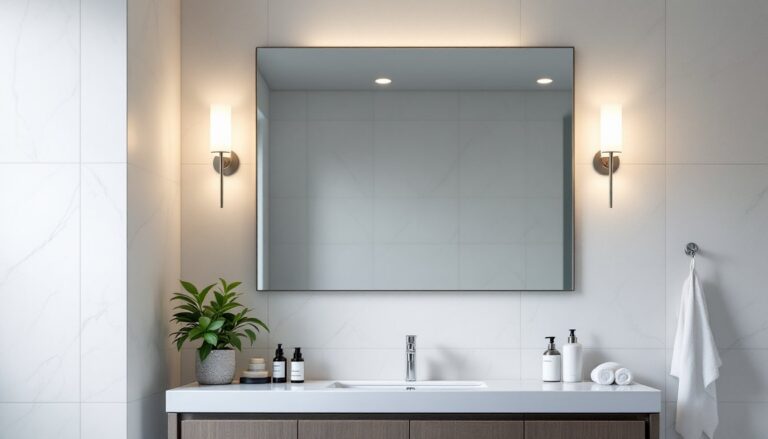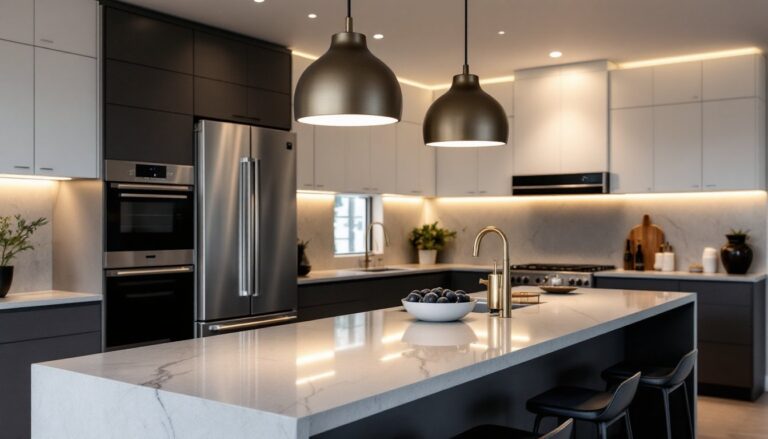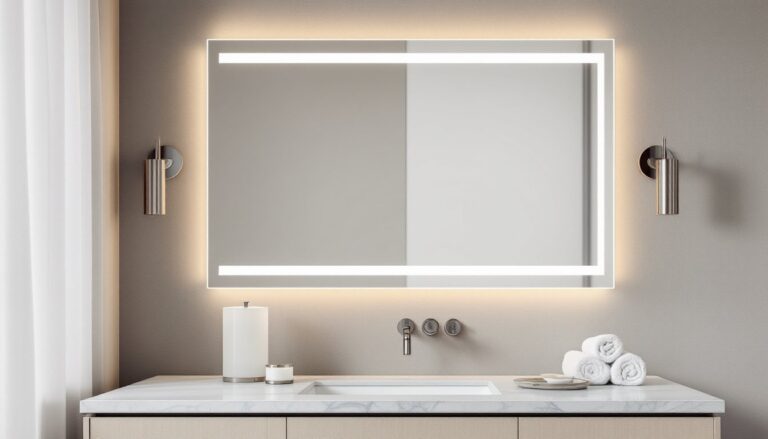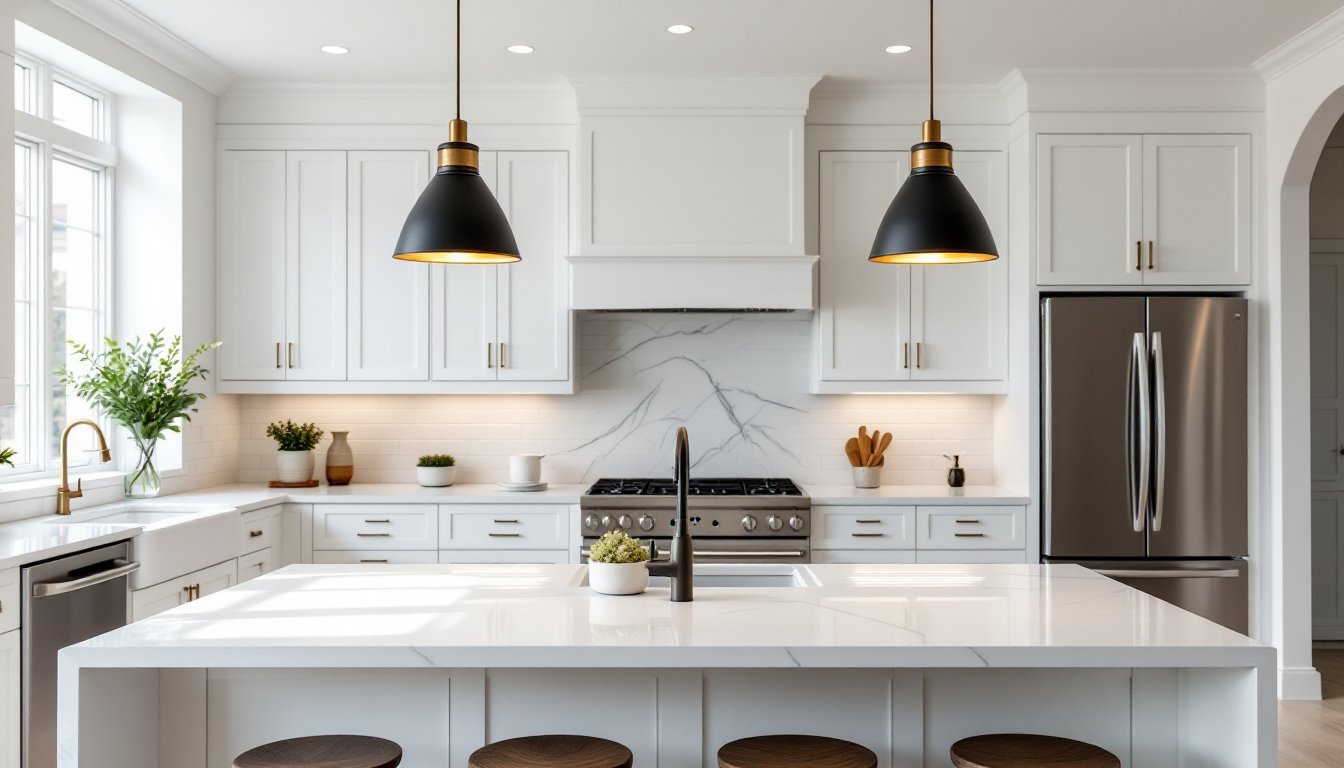
A hanging lamp can do more heavy lifting than almost any other fixture in a room. It throws light where it’s needed, anchors a dining table or island, and pulls a design together without taking up an inch of floor space. But picking the right one, and hanging it without crooked chains, exposed wires, or code violations, takes a little planning. This guide walks homeowners and DIYers through the styles, sizing rules, wiring basics, and styling tricks that make the difference between a fixture that looks borrowed and one that belongs.
Table of Contents
ToggleKey Takeaways
- A hanging lamp creates focal points and layered lighting that anchors a room without consuming floor space, making it one of the highest-impact home upgrades available.
- Sizing a hanging lamp depends on three key rules: add the room’s length and width in feet to determine fixture diameter in inches, mount it 30–36 inches above dining tables or islands, and space multiple pendants 24–30 inches apart.
- Always cut power at the breaker, use a voltage tester to verify safety, and ensure your ceiling box is fixture-rated before installing a hanging lamp—fixtures over 5 lbs require reinforced mounting.
- Matching metals and repeating finishes across hardware, faucets, and mirrors ties a hanging lamp’s style into the room’s design for a cohesive look.
- Pair your hanging lamp with additional light sources like under-cabinet strips, sconces, or floor lamps to create layered, functional lighting rather than relying on a single fixture.
What Is a Hanging Lamp and Why It Matters in Modern Home Design
A hanging lamp is any light fixture suspended from the ceiling by a rod, chain, cord, or cable. That broad category covers everything from a single mini-pendant over a nightstand to a multi-arm chandelier in a two-story foyer.
What makes them matter in modern design is layering. Overhead can lights flatten a room: a hanging lamp introduces a focal point at eye level, creates a pool of warm task light, and gives the ceiling some architectural weight. They’re also one of the easiest upgrades a first-time homeowner can make, usually a same-afternoon swap that changes the feel of a room more than a coat of paint.
For small spaces, they free up surface area no table lamp can match.
Popular Types of Hanging Lamps to Know Before You Buy
Before shopping, it helps to know the vocabulary. Most retailers lump everything under “pendant,” but the differences matter for sizing, wiring, and styling.
- Pendants: Single-bulb fixtures hung from a cord or rod. Great over islands, nightstands, and entryways.
- Chandeliers: Multi-light fixtures, usually with a decorative frame. Designed for dining rooms, foyers, and stairwells.
- Cluster lights: Several pendants grouped on one canopy. A good middle ground when one pendant feels small but a chandelier feels heavy.
- Linear suspensions: Long, narrow fixtures for rectangular tables or kitchen islands.
- Lantern pendants: Enclosed glass or metal cages, often used in transitional or farmhouse interiors.
Pendant, Chandelier, and Cluster Styles Explained
Pendants are the workhorse, simple, directional, and easy to install. Industrial pendants with exposed bulbs and metal shades work especially well in kitchens and lofts: there’s a useful visual breakdown of industrial pendant styling that shows how scale and finish change the mood.
Chandeliers carry more visual and literal weight, often 15 to 50 pounds, so the electrical box has to be rated for it (more on that below). Cluster styles split the difference: dramatic without demanding a reinforced box, and forgiving if a ceiling isn’t perfectly centered over the table.
How to Choose the Right Hanging Lamp for Your Space
Three numbers do most of the work: room size, fixture diameter, and hanging height.
- Diameter rule: Add the room’s length and width in feet. That sum, in inches, is a good target diameter for a chandelier. A 12×14 ft room calls for roughly a 26-inch fixture.
- Height rule: Over a dining table or island, the bottom of the fixture should sit 30–36 inches above the surface. In open rooms, leave at least 7 feet of clearance from the floor (the IRC minimum for habitable rooms is 7 feet, but codes vary by jurisdiction).
- Spacing for multiples: Over a long island, space pendants 24–30 inches apart, centered on the slab.
For hanging light fixtures for kitchen islands specifically, two or three pendants usually beat one large fixture, they distribute task light better and look proportional to most countertops. When choosing hanging lamps for kitchen task zones, lean toward downlight-focused shades over the prep area and decorative glass over the eating side.
Don’t overlook bulb compatibility: confirm the socket type (E26 is standard in the US) and whether the fixture is dimmable. Lighting roundups like the kitchen-focused guides on House Beautiful’s kitchen lighting are handy for seeing how scale plays out in real rooms.
Step-by-Step Guide to Installing a Hanging Lamp Safely
Swapping an existing fixture is a solid DIY job. Running new wiring or relocating a box is not, that usually requires a permit and, in many areas, a licensed electrician. Per the NEC, fixtures over 50 lbs need independent support, not just the electrical box.
Tools and materials:
- Voltage tester (non-negotiable)
- Phillips and flathead screwdrivers
- Wire strippers and wire nuts
- Step ladder rated for the job
- Safety glasses and work gloves
- New fixture with mounting hardware
Steps:
- Cut power at the breaker. Flip the switch off, then verify with a voltage tester at the existing fixture. Never trust the wall switch alone.
- Remove the old fixture. Unscrew the canopy, lower it, and disconnect the wire nuts. Note which wire is hot (usually black), neutral (white), and ground (bare or green).
- Inspect the box. Confirm it’s a fixture-rated ceiling box. If the new lamp is heavier than 5 lbs, or any chandelier, replace a basic box with a brace-mounted, fixture-rated one.
- Assemble the new fixture on the ground. Adjust chain or cord length here, not overhead. For a kitchen island, dry-fit the height before final wiring.
- Connect wires: black to black, white to white, ground to ground or to the green screw. Twist with wire nuts and tug-test each connection.
- Mount the canopy, install bulbs, and restore power.
If there’s no ground wire (common in older homes), stop and consult an electrician. That’s a code issue, not a workaround.
Styling Tips to Make Your Hanging Lamp a Statement Piece
A well-chosen fixture earns its keep by playing off the rest of the room.
- Mix metals deliberately. Matte black pairs with brushed brass: polished chrome reads colder and suits modern spaces.
- Repeat the finish elsewhere. Pull the lamp’s metal into cabinet hardware, faucet, or a nearby mirror frame, even a small detail like a makeup lamp mirror in an adjoining powder room can echo the finish and tie spaces together.
- Use bulb temperature intentionally. 2700K gives that warm, residential glow: 3000K is crisper for task zones: anything above 3500K starts to feel commercial.
- Let scale do the talking. One oversized pendant often beats three timid ones. If a fixture looks slightly too big in the box, it’s probably right for the room.
- Layer the light. A hanging lamp shouldn’t be the only source. Pair it with under-cabinet strips, sconces, or a floor lamp so the room has depth at night.
Room-by-room styling guides like those on MyDomaine’s design coverage are useful when matching fixture style to overall decor direction. And don’t forget the exterior, the same layering logic applies to outdoor hanging lighting ideas on porches and pergolas, where pendant-style fixtures can extend the indoor look outside.
Conclusion
A hanging lamp is one of the highest-impact, lowest-effort upgrades in a home, provided the sizing, wiring, and styling all line up. Measure twice, confirm the ceiling box rating, and choose a fixture that suits the room’s scale rather than the showroom’s. Done right, it’s the kind of detail guests notice without quite knowing why.