Industrial pendant lighting has become a cornerstone of modern home design, blending raw materials with functional elegance. Whether you’re drawn to exposed filament bulbs, metal cages, or weathered finishes, these fixtures offer versatility that works in kitchens, dining rooms, entryways, and beyond. The appeal isn’t just aesthetic, industrial pendants are practical workhorses that provide focused light where you need it most. This guide walks you through selecting, installing, and styling industrial pendant lights to transform your space without requiring professional electrician skills (though some situations demand one). Let’s dig into what makes these fixtures tick and how to get them right in your home.
Table of Contents
ToggleKey Takeaways
- Industrial pendant lighting combines exposed metal frames, geometric shapes, and minimal ornamentation to deliver both aesthetic appeal and practical task lighting for kitchens, dining rooms, and entryways.
- Proper sizing matters: maintain 18–24 inches of clearance above kitchen islands and 30–36 inches above dining tables, and use three or more smaller pendants or one large fixture for spaces wider than 6 feet.
- LED filament bulbs outperform vintage Edison bulbs by lasting 15,000+ hours instead of 1,500 hours while running cooler and maintaining the industrial look you want.
- Always turn off power at the breaker panel and use a voltage tester before installing industrial pendant fixtures; call a licensed electrician for new wiring or if existing wiring appears outdated.
- Layer your industrial pendant lighting with task and ambient light sources to avoid harsh shadows, and coordinate finishes (matte black, brass, or weathered gray) with existing hardware for a cohesive design.
- Industrial pendants work best in open-concept kitchens, modern transitional spaces, and mixed-style homes, but require complementary décor like concrete countertops and reclaimed wood to prevent clashing with formal or ornate interiors.
What Defines Industrial Pendant Lighting
Key Design Elements That Make It Industrial
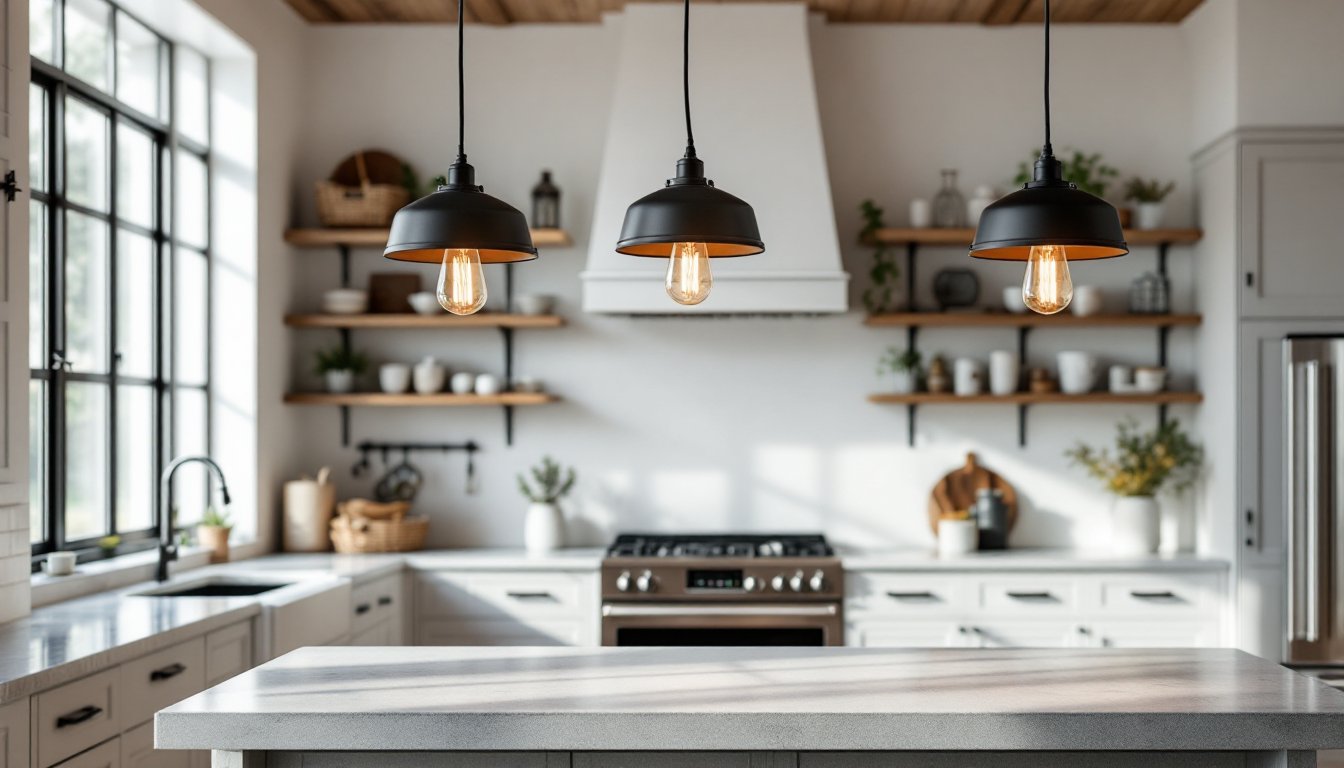
Industrial pendant lighting draws inspiration from early 20th-century factories and warehouses, spaces where form followed function. The hallmark characteristics include exposed metal frames (steel, wrought iron, or Edison-style brass), simple geometric shapes (cylindrical, cubic, or cage-like), and minimal ornamentation. Look for Edison bulbs with visible filaments, cage shades that expose the bulb, or open designs that don’t hide the light source.
Materials matter. Authentic industrial pendants use matte black finishes, raw wood elements, concrete, or distressed metals to mimic age and wear. The finish shouldn’t be glossy or polished: patina and rough textures are the point. Cord or chain suspension is typical, no decorative crystals or fabric shades.
What separates industrial from vintage or steampunk? Industrial avoids ornate details. A steampunk fixture might have gears welded on: industrial strips those away. The design is honest about its construction, you can see how it’s made and why. This clarity is what gives industrial lighting its universal appeal.
Where Industrial Pendant Lighting Works Best
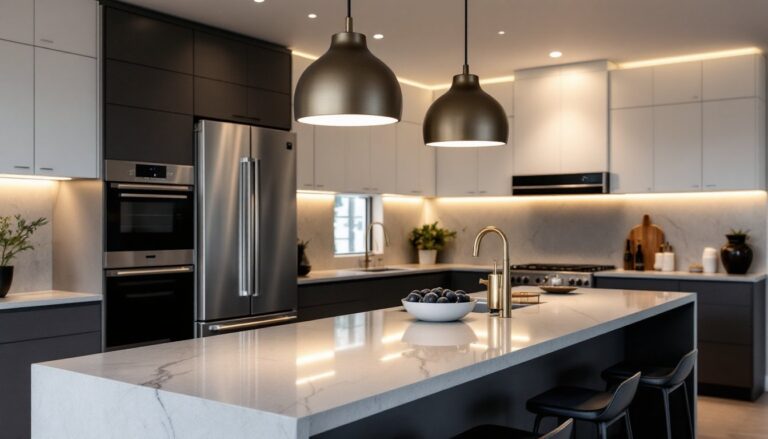
Industrial pendants excel in open-concept kitchens where they hang above islands or bars, providing task lighting and a visual anchor. The exposed design lets you see the bulb, which matters when you’re reading a recipe or prepping food. They’re equally at home above dining tables, one pendant for small tables, three in a row for longer surfaces.
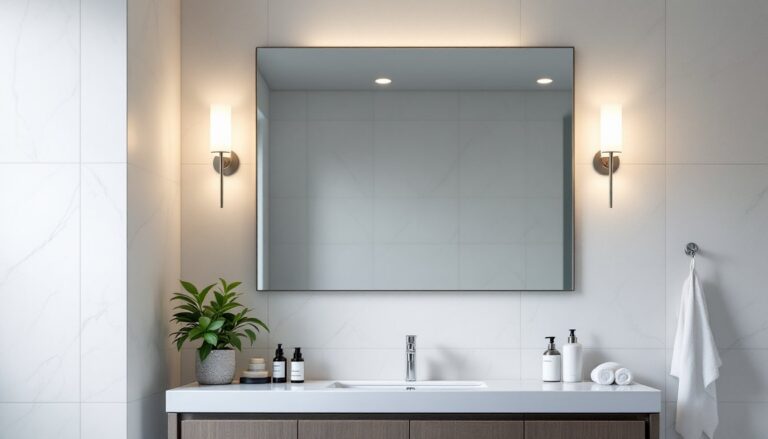
Entryways and foyers benefit from a single industrial pendant as a statement piece. Home offices and workshops get dual purpose: ambient light plus industrial aesthetics that reinforce focus and functionality. Bathrooms work too, flanking mirrors instead of mounted directly above (moisture resistance is key, we’ll cover that in installation).
Where to be cautious: formal living rooms and bedrooms can feel jarring with industrial pendants unless they’re the room’s dominant design element. Mix industrial with comfort pieces, soft seating, layered rugs, artwork, to keep the space inviting. In farmhouse, rustic, or transitional interiors, industrial pendants bridge modern and classic beautifully. Dwell magazine frequently features industrial lighting in mixed-style homes, showing how these fixtures adapt to different aesthetics.
How to Choose the Right Fixtures for Your Space
Start with scale and quantity. Measure your pendant height above the surface, islands typically need 18–24 inches of clearance between the bottom of the fixture and countertop. For dining tables, aim for 30–36 inches. A single large pendant works for intimate spaces: wider areas (6+ feet) need three or more smaller pendants or one extra-large fixture.
Choose bulb type carefully. Edison-style incandescent filament bulbs create warm, vintage vibes but generate heat and have short lifespans (around 1,500 hours). LED filament bulbs mimic the look while lasting 15,000+ hours and running cooler. Standard A19 or ST64 bulb shapes fit most industrial cages. Always check the fixture’s recommended wattage before purchasing bulbs.
Finish selection depends on existing hardware. If cabinet hardware is brushed nickel, black industrial pendants can contrast or blend depending on your preference. Mixed metals work, black and brass together feel curated, not chaotic. Visit showrooms or online galleries like 50 gorgeous industrial pendant lighting styles to see how finishes photograph in real light.
Consider dimmability. Most vintage Edison bulbs don’t dim well: modern LEDs and certain incandescent options do. If your existing light switch isn’t a dimmer, a dimmable bulb won’t help, you’ll need to upgrade the switch. Test before committing to a full set of fixtures.
Installation Tips for DIY Success
Safety first: Turn off power at the breaker panel, not just the wall switch. Use a voltage tester to confirm the circuit is dead, this is non-negotiable. Wear safety glasses in case debris falls. If the existing wiring looks crumbling or outdated (cloth insulation, knob-and-tube style), stop and call a licensed electrician. Upgrading wiring is not a DIY job.
For simple swap-outs (replacing an existing pendant): Disconnect the old fixture, leaving the junction box, mounting bracket, and wiring in place. Most pendant cords connect via wire nuts (twist-on connectors), match black to black, white to white, and copper to the bare ground wire. The new fixture typically includes a mounting bracket: secure it to the existing box with the provided hardware.
Hanging height matters. Mark the ceiling with tape at your target height before drilling. Use a stud finder to avoid joists (overhead wiring runs between joists: drilling into one is hazardous). Pre-drill pilot holes for anchors if you’re not hitting a joist. Heavy fixtures (over 10 lbs) need structural support: verify the junction box can handle the weight.
For new installations (no existing fixture), running new electrical wire requires opening walls and navigating building codes. This demands a licensed electrician in most jurisdictions. Permits often apply. Don’t skip this step to save money, a fire or electrical fault costs far more than professional labor. After installation, test the dimmer (if applicable) and check that the fixture is stable before declaring victory.
Styling and Layering Your Industrial Pendant Lights
Industrial pendants rarely stand alone. They’re best as part of a layered lighting scheme. Combine overhead pendants with task lighting (undercabinet strips in kitchens, desk lamps in offices) and ambient backlight or wall sconces. This trio, ambient, task, accent, prevents the harsh, single-source shadow problem many DIYers face.
Surrounding décor shapes perception. Concrete countertops, steel shelving, and reclaimed wood play beautifully with industrial pendants. Architectural Digest regularly showcases how industrial lighting anchors contemporary and transitional spaces. Conversely, if your kitchen has ornate cabinetry and crown molding, a single industrial pendant risks looking out of place unless it’s a deliberate contrast statement.
For color coordination, matte black pendants suit most palettes. Brass or copper options warm up cooler spaces. Weathered gray or bronze blends with farmhouse and rustic elements. Don’t overthink it, consistency in finish trumps trend-chasing. If your water heater is black steel, reflect that theme in your pendants.
Use cluster hanging strategically. Three pendants in a line above an island feel intentional: random placement looks accidental. Leave 12–18 inches between pendant centers for visual balance without crowding. Cord color matters too. Black, white, or fabric-covered cords all read differently: pick one and commit. Mixing cord colors (black on one, white on another) weakens the design unless it’s a deliberate, coordinated choice.
Consider seasonal updates. Swap Edison bulbs for warm white LEDs in fall/winter, cool white in summer. It’s a small adjustment that reinforces the season without reworking fixtures. This flexibility is why industrial pendants endure, they adapt without needing replacement.
Conclusion
Industrial pendant lighting works because it’s honest, durable, and adaptable. Whether you’re refreshing a kitchen island or modernizing an entryway, these fixtures deliver style and function without pretense. Start with accurate measurements, pick finishes that match your existing hardware, and prioritize safety during installation. If wiring is involved, bring in a licensed electrician, it’s worth the cost. Layer your lighting, coordinate your finishes, and let the pendants become part of a cohesive design story. Your space will feel intentional, functional, and distinctly yours.