If you’re considering upgrades to your bathroom or bedroom, an LED mirror is one of the smartest moves a homeowner can make. Unlike traditional mirrors with external lighting fixtures, an LED mirror combines reflective surface and integrated lighting into a single sleek unit. Whether you’re replacing a worn makeup mirror, updating a bathroom vanity, or installing a LED vanity mirror in your bedroom, these modern fixtures offer practical benefits that go far beyond aesthetics. This guide walks you through everything you need to know to choose and install the right LED mirror for your space.
Table of Contents
ToggleKey Takeaways
- An LED mirror combines integrated lighting with a reflective surface to eliminate harsh shadows and provide balanced, natural illumination for grooming tasks and makeup application.
- LED mirrors consume approximately 75% less energy than traditional bulbs and last 30,000 to 50,000 hours, dramatically reducing electricity costs and maintenance compared to standard vanity lighting.
- Choose an LED mirror that spans at least two-thirds of your vanity width and prioritize features like moisture resistance (IP54+), anti-fog coating, adjustable brightness, and color temperature control for optimal bathroom performance.
- Most LED mirrors mount with simple wall brackets and plug into standard outlets, making DIY installation straightforward without electrical hardwiring, though professional installation is needed for new outlet circuits.
- Regular maintenance with microfiber cloths and proper bathroom ventilation extending 20 minutes after showers will keep your LED mirror functioning efficiently for 10–15 years of daily use.
What Is an LED Mirror and Why Homeowners Are Upgrading
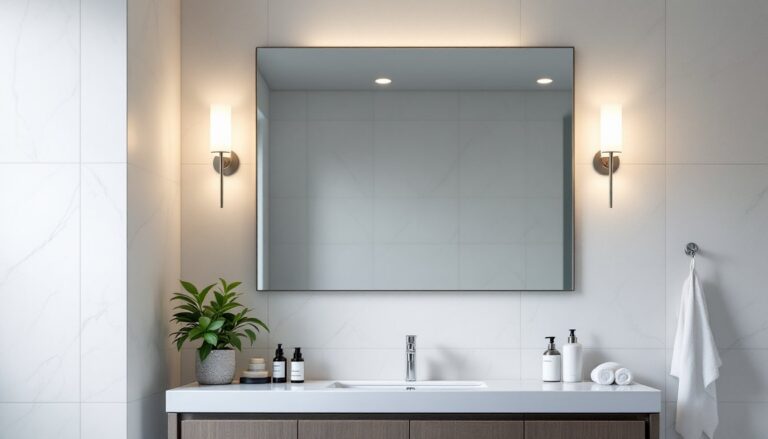
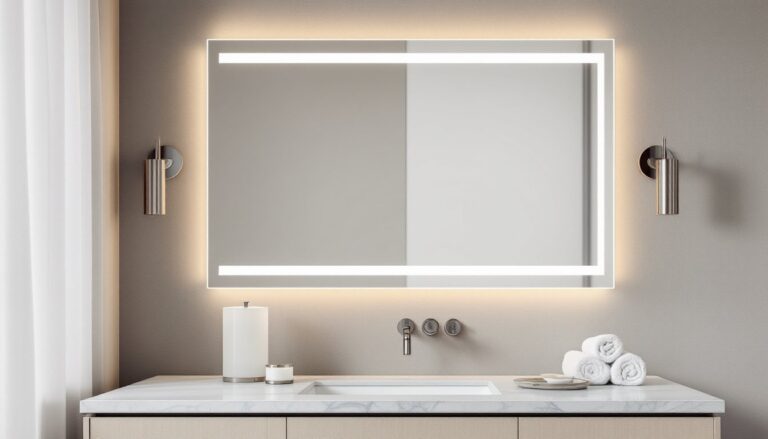
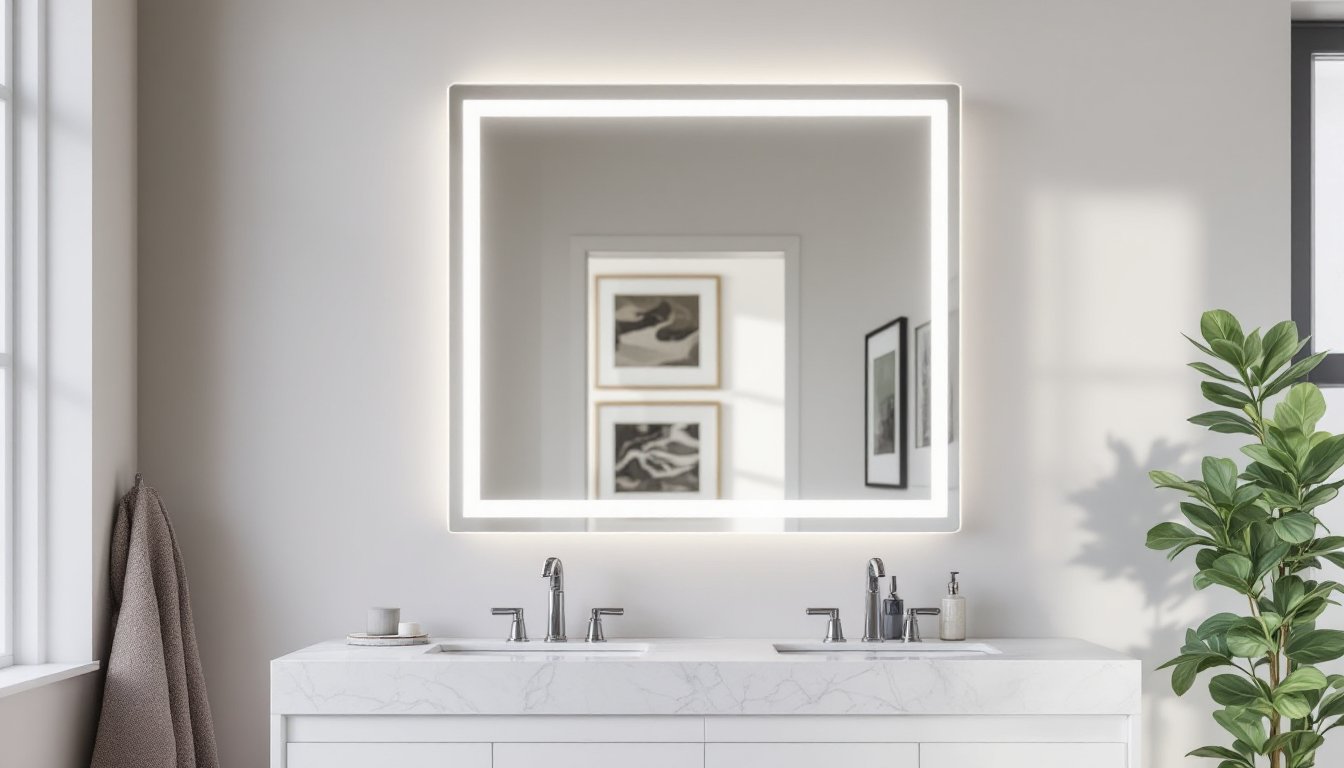
An LED mirror is a reflective glass surface with integrated light-emitting diodes (LEDs) built into the frame, surrounding the perimeter, or backlit behind the glass itself. Unlike a standard bathroom mirror with a separate vanity light fixture above it, the LED mirror provides even illumination directly from the mirror itself, eliminating harsh shadows under the eyes and chin.
Homeowners are upgrading to LED mirrors for good reason. A traditional bathroom mirror lighting setup requires a dedicated light fixture, wiring work, and often creates unflattering shadows. An LED bathroom mirror eliminates these drawbacks. The lights are positioned to bounce off the reflective surface, creating balanced, natural-looking illumination that’s ideal for grooming tasks, skincare routines, and makeup application.
These mirrors come in various styles, from frameless designs to decorative borders, and fit seamlessly into modern, contemporary, and transitional bathroom designs. Many models include smart features like adjustable brightness, color temperature control (warm to cool white), and fog-resistant coatings that keep the mirror clear in steamy bathrooms. Some even offer motion sensors or touch controls, making them genuinely convenient for daily use.
Key Benefits of Installing an LED Mirror
Energy Efficiency and Lower Utility Bills
LED lighting uses roughly 75% less energy than traditional incandescent or halogen bulbs, and this efficiency translates directly to lower electricity bills. If you’re replacing a 60-watt vanity light fixture with a comparable LED bathroom mirror that pulls only 12–18 watts, you’ll notice the difference on your monthly utility statement over time.
LEDs also generate minimal heat, which means they won’t contribute to bathroom humidity or put stress on ventilation systems. In warm climates, this is a genuine advantage. Most LED mirrors are rated for 30,000 to 50,000 hours of use, that’s roughly 10–15 years of daily bathroom visits, so you won’t be replacing bulbs constantly like you would with older lighting technology.
Enhanced Lighting and Improved Visibility
Proper lighting at the mirror is non-negotiable. Harsh overhead shadows make it nearly impossible to apply makeup, shape eyebrows, or notice skin texture issues. A well-designed LED mirror eliminates this problem by providing diffused light that bounces evenly across your face. This is especially important for anyone who applies makeup, shaves, or performs detailed grooming tasks.
LED mirrors typically offer adjustable brightness, usually via a simple touch control or remote. You can dial in the perfect light level for morning routines versus evening preparations. Many models also include adjustable color temperature, letting you switch between warm white (2700K–3000K) for a relaxed evening setting and cool white (4000K–5000K) for accurate makeup application in daylight-like conditions. Research from sources discussing home lighting design confirms that color-accurate lighting improves both task performance and user satisfaction in bathroom spaces.
Choosing the Right LED Mirror for Your Space
Size, Shape, and Style Considerations
Measure your wall space carefully before ordering. Standard bathroom mirrors range from 24 inches to 48 inches wide: bedroom mirrors often sit between 30 and 60 inches. Remember to account for the actual wall width minus any vanity or furniture placement. A common mistake is buying a mirror that’s too small for the space, aim for a mirror that spans at least two-thirds the width of your vanity or wall area.
Decide on shape: rectangular mirrors work in most bathrooms and are the easiest to install. Arched or rounded-top mirrors add visual interest but require more precise wall anchoring. If you prefer a makeup mirror for close-up work, look for models with magnification (typically 5x or 10x magnification on one section).
Style matters for integration with your décor. A frameless LED mirror with minimalist LED edge lighting suits modern and contemporary spaces. A decorative frame in brushed nickel, matte black, or gold coordinates with transitional or traditional bathrooms. Confirm that the mirror’s LED vanity mirror specifications, mounting bracket type, depth, and finish, match your wall and existing fixtures.
Features to prioritize: moisture-resistant ratings (look for IP54 or higher), anti-fog coating, adjustable brightness, and color temperature control. If your bathroom has high humidity from frequent showers, buy a model with a dedicated defogging function: some mirrors include a heating element that prevents condensation. Reviews on smart home technology often highlight moisture resistance as a critical factor for bathroom mirror longevity.
Installation and Maintenance Tips for DIY Success
Installation Basics
Most LED mirrors mount directly to the wall using heavy-duty brackets and wall anchors. Before you start, confirm where studs are located (a stud finder costs $15–30 and saves frustration). If studs align with your mirror placement, great, use 2.5-inch wood screws into the stud. If not, use heavy-duty toggle bolts or molly bolts rated for the mirror’s weight: mirrors typically weigh 20–60 pounds depending on size and frame material.
Turn off power at the breaker before handling any electrical connections. Most LED mirrors plug into a standard outlet, which simplifies installation, no hardwiring required. Route the power cord discreetly behind the vanity or along the wall. If your bathroom doesn’t have a nearby outlet, you’ll need to hire a licensed electrician to install one: this isn’t a DIY task if it involves running new circuits.
Use a level to ensure the mirror hangs straight. Even slight tilts are noticeable. Mark your mounting holes with a pencil, drill pilot holes, and install anchors before hanging. Tighten all fasteners snugly but don’t over-torque, cracked mirror glass is expensive and often not replaceable.
Maintenance and Troubleshooting
Clean the mirror surface with a microfiber cloth and a mild glass cleaner (avoid abrasive scrubbers). Wipe the frame monthly to prevent dust buildup. If the LED brightness dims over time, it’s normal wear: most LEDs maintain 80% of their original brightness after 30,000 hours. If lights flicker or don’t turn on, check the power outlet first, use a lamp or phone charger to confirm it’s working. If the outlet works but the mirror doesn’t, the issue is likely a faulty touch control or internal wiring, and you’ll need to contact the manufacturer.
For fogging issues, ensure your bathroom exhaust fan runs during and for 20 minutes after showers. Proper ventilation prevents excessive moisture from damaging the mirror’s electrical components. If your mirror has a built-in defogging heater, run it while showering for best results. A user review on sensor-equipped smart mirrors noted that consistent maintenance and ventilation practices extend mirror lifespan significantly.