Transitional dining room lighting sits at the sweet spot between classic elegance and contemporary minimalism. It’s the design approach that lets homeowners honor traditional aesthetics while embracing modern functionality and cleaner lines. Whether you’re renovating a dated dining room or fine-tuning one that feels off, getting the lighting right transforms the entire space, and it’s one of the most impactful upgrades you can tackle yourself. This guide walks you through choosing, installing, and layering transitional lighting fixtures that actually work for how your family eats, entertains, and gathers.
Table of Contents
ToggleKey Takeaways
- Transitional dining room lighting blends traditional materials and warm finishes with modern, streamlined forms for a timeless aesthetic that avoids both ornate fussiness and cold minimalism.
- The optimal color temperature for transitional lighting is 2700K to 3000K LED bulbs, which deliver warm, inviting ambiance while maximizing energy efficiency and avoiding the waste of traditional incandescent bulbs.
- Layering light across three types—ambient (overhead fixture), task (table illumination), and accent (artwork or sideboard highlights)—with separate dimmer controls creates flexibility for different moods and entertaining needs.
- Pendant lights (single 12–16 inch or three smaller fixtures) and restrained chandeliers with simple arms should hang 30–36 inches above the table surface to prevent glare and preserve sightlines.
- Choosing complementary matte finishes like brushed brass, oil-rubbed bronze, or matte black that echo existing hardware and materials in your dining room ensures visual cohesion and a contemporary yet elegant feel.
- Test fixtures in your actual space before committing, and prioritize shaded or frosted diffusers over bare bulbs to soften light and eliminate unflattering glare.
What Is Transitional Dining Room Lighting?
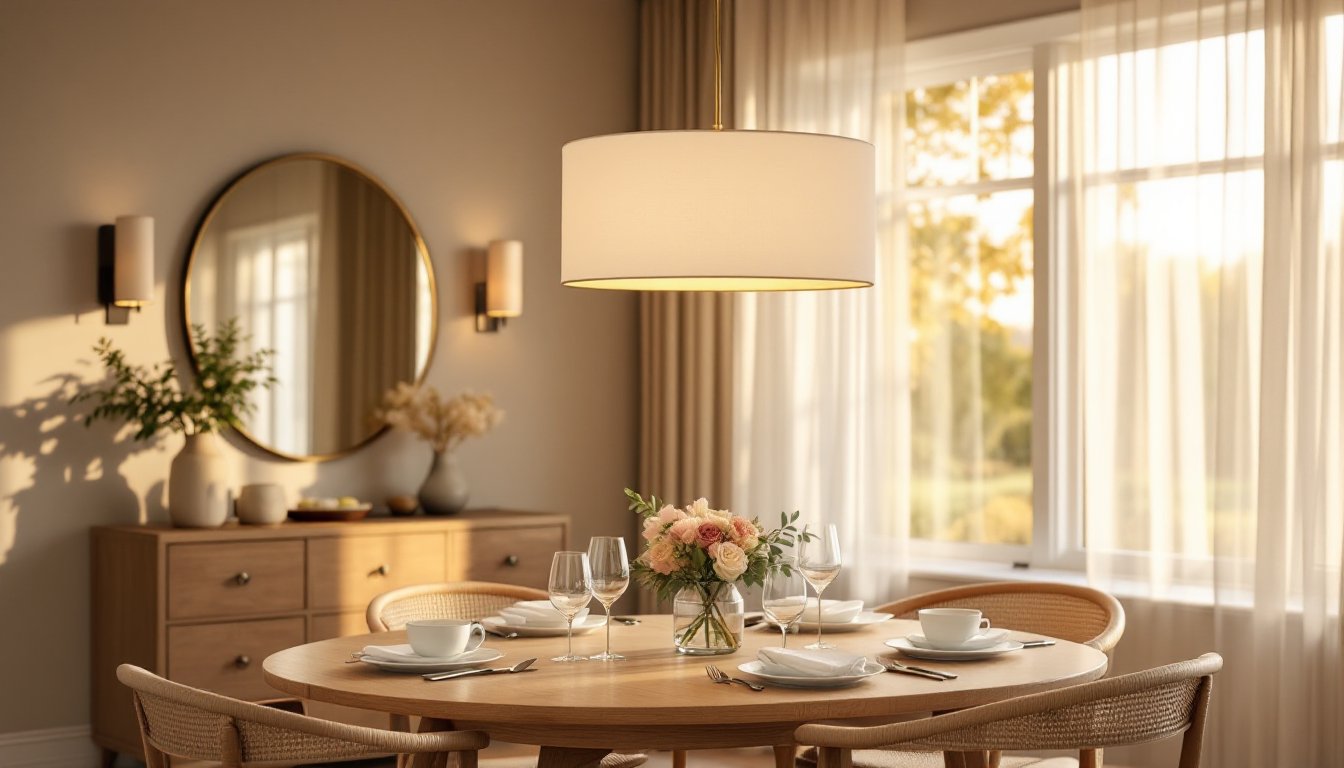
Transitional lighting design borrows from both worlds: the ornate detailing and warm materials of traditional fixtures combined with the streamlined silhouettes and efficient tech of modern design. Think a pendant with a classic brass finish but a simple drum shade, or a chandelier with clean geometric arms instead of ornamental crystals.
The key is restraint. Transitional fixtures avoid the fussy ornamentation of period pieces and the cold minimalism of ultra-contemporary designs. They’re meant to feel timeless rather than trendy, which makes them a smart long-term investment for a dining room, a space where you’ll likely live for years before wanting another overhaul.
Modern LED Lighting: Transform Your Space with Energy Efficiency and Savings Today options have made transitional dining lighting even more practical. Most transitional fixtures now accommodate LED bulbs, delivering the warm glow of incandescent without the energy waste. That means you can keep your space both beautiful and efficient, which aligns perfectly with how homeowners approach design today.
Key Design Principles for Transitional Lighting
Balance Between Modern and Traditional Elements
Transitional design thrives on proportion and restraint. A transitional dining fixture should feel intentional, not like someone couldn’t decide between styles. Look for pieces that combine one or two traditional materials, brass, bronze, wood, or linen, with a contemporary form. An arched brass pendant with a white linen shade reads as transitional. Gold chain with a geometric shade works too.
Avoid mixing too many conflicting finishes in one room. If your dining table has warm wood tones, choose fixtures in complementary warm metals (brass, bronze) rather than cool stainless steel. This creates visual cohesion without looking dated or overly matchy.
Color Temperature and Fixture Finish
Color temperature, measured in Kelvin (K), is non-negotiable for dining room ambiance. Standard incandescent bulbs ran around 2700K (warm, yellowish light). Most transitional designs work best with 2700K to 3000K LED bulbs, which deliver that classic warm glow without the heat or energy loss.
Fixture finishes should match your home’s overall palette. Brushed brass, oil-rubbed bronze, and matte black are transitional workhorses. Polished chrome feels too industrial: bright brass feels too ornate. Matte finishes hide dust better and feel more current. Choose a finish that appears elsewhere in your dining room, on cabinet hardware, faucets, or other fixtures, to anchor the design. Rustic Light Fixtures: Transform often employ these finishes to bridge traditional and modern aesthetics.
Choosing the Right Fixture Types
Pendant Lights and Chandeliers
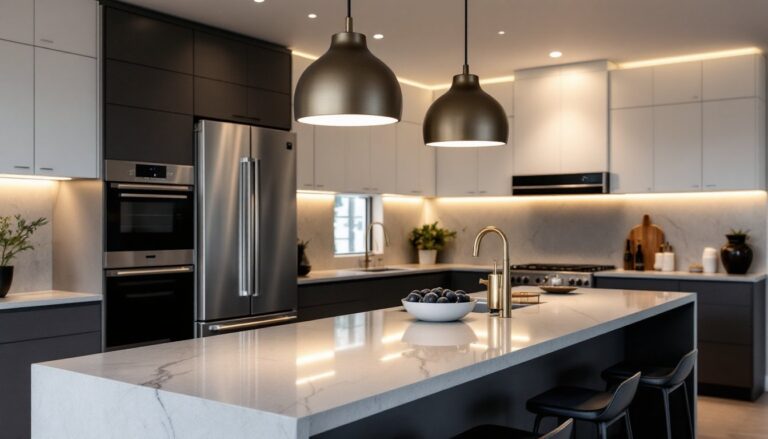
Pendants are the go-to for transitional dining rooms. A single large pendant (12 to 16 inches in diameter) centered over the table, or a series of three smaller pendants (8 to 10 inches each) in a linear arrangement, work equally well. Pendant heights matter: hang the bottom of the fixture 30 to 36 inches above the table surface to avoid glare and preserve sightlines across the table.
For pendant cords or chains, brushed brass chains and fabric-wrapped cords feel more transitional than bare stainless steel. Wood or metal rods that suspend pendants add an extra design layer without fuss.
Chandeliers can work in transitional spaces if they’re restrained. Skip the crystal drops and five-tier structures. Instead, look for fixtures with simple arms (usually 4 to 8), a clean center column, and minimal ornamentation. A brushed or matte finish on the metal is essential, it feels contemporary while the silhouette nods to tradition.
Recessed downlights or surface-mounted fixtures paired with dimmers allow for flexible layering. Recessed Lighting Placement: 7 Tips for Perfect Ambiance and Functionality explains how to position and space recessed lights to avoid dark corners and highlight focal points like artwork or a buffet.
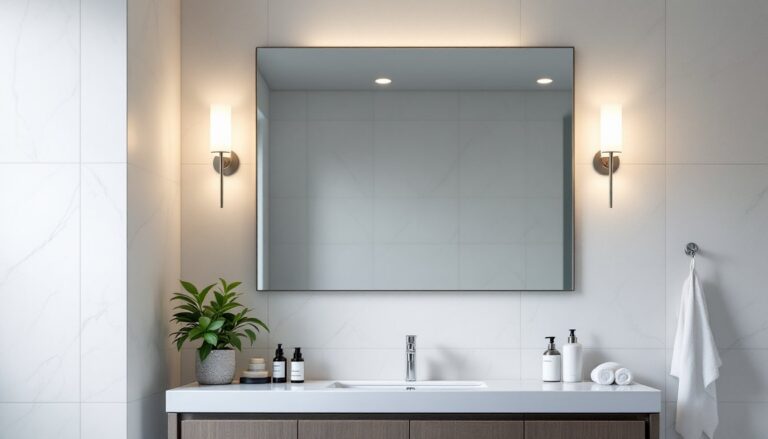
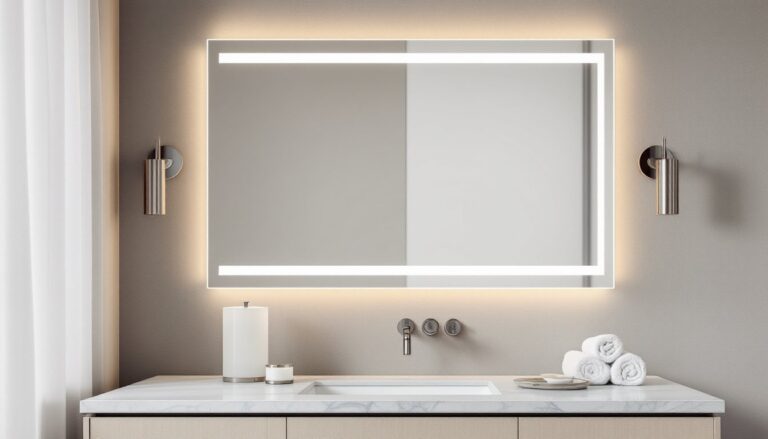
Wall sconces flanking a sideboard or mirror add task light and visual balance. Simple cylindrical sconces in brass or matte black read as instantly transitional.
Layering Light for Optimal Ambiance
Layering light means combining ambient, task, and accent lighting so your dining room adapts to different moods and functions. Ambient light is your base, typically the overhead fixture. Task lighting illuminates the table surface so diners can actually see their food. Accent lighting highlights artwork, architectural features, or a sideboard.
Start with your main fixture (pendant or chandelier) on a dimmer switch. This alone gives you huge flexibility: full brightness for holiday gatherings or when cleaning, dimmed to 50–60% for everyday dinner. Dimmers should be rated for LED bulbs if you’re using them: not all older dimmers work smoothly with LEDs, which can cause flickering or humming. A 10A or higher-rated dimmer rated for LED works reliably.
Add a second layer with wall sconces or recessed lights with their own dimmer. This might seem like overkill, but it solves real problems: harsh overhead light makes the space feel institutional, while a single overhead fixture leaves shadows during large dinners. With two switched circuits, you can turn on only the sconces for a side table or turn on everything for a formal meal.
Accent lighting, like a small picture light above artwork or uplighting on a hutch, costs little to add if you run wiring during installation. Modern Lighting: Transform Your Space with Stylish and Smart Designs explores how contemporary fixtures and smart controls integrate accent lighting into a cohesive plan. Home Lighting Secrets: Transform Your Space with These Simple Tips covers the psychology of layering for mood and functionality.
Be honest about wiring. If your dining room has only one overhead junction box, adding a second dimmer circuit means running new wire through walls, doable but requires cutting, patching, and possibly a licensed electrician. If that’s a dealbreaker, focus on a quality main fixture plus smart bulbs that dim via an app or remote, sidestepping rewiring.
Shade and diffusion matter too. A bare bulb pendant creates unflattering glare. A linen or frosted glass shade softens light and looks finished. Recessed Lighting Housing: Elevate Your Home’s Ambiance with Stylish Solutions discusses how trim rings and diffusers in recessed fixtures control light spread and reduce harsh shadows. Faven Lighting: Transform Your Space with Stylish and Affordable Fixtures showcases budget-friendly options that don’t sacrifice on light quality or design. Retailers like Home Depot Lighting: Transform stock a wide range of shades and diffusers so you can customize a fixture’s look.
Making Your Lighting Plan Work
Transitional dining room lighting succeeds when it looks intentional and effortless at once. Start by auditing your existing space: natural light from windows, wall color, and the finishes already present (wood, metal, hardware). Choose one fixture type as your anchor, usually a pendant or chandelier, in a finish that echoes something else in the room. Add a dimmer and a second light layer if wiring allows. Prioritize 2700K to 3000K warm LEDs and matte finishes that feel current but timeless.
Test before you commit. Many retailers and showrooms let you see fixtures in different settings. Compare brightness and color temperature side by side if possible. Your dining room lighting is worth the 20 minutes it takes to get it right.