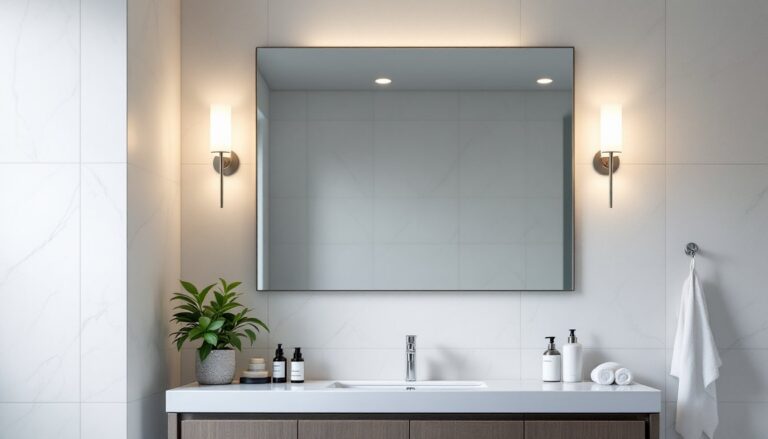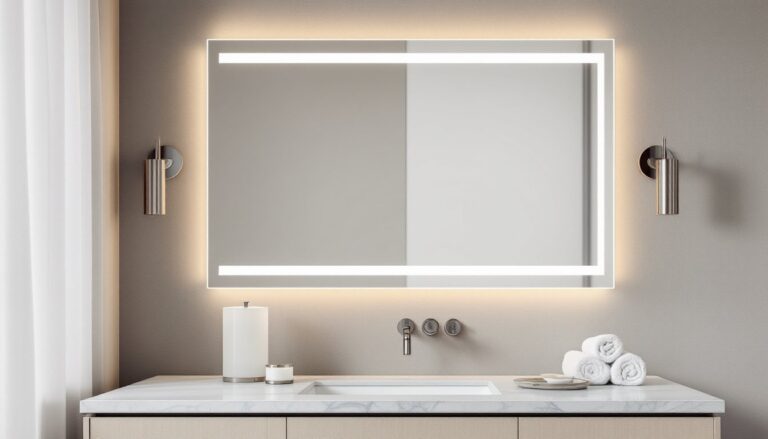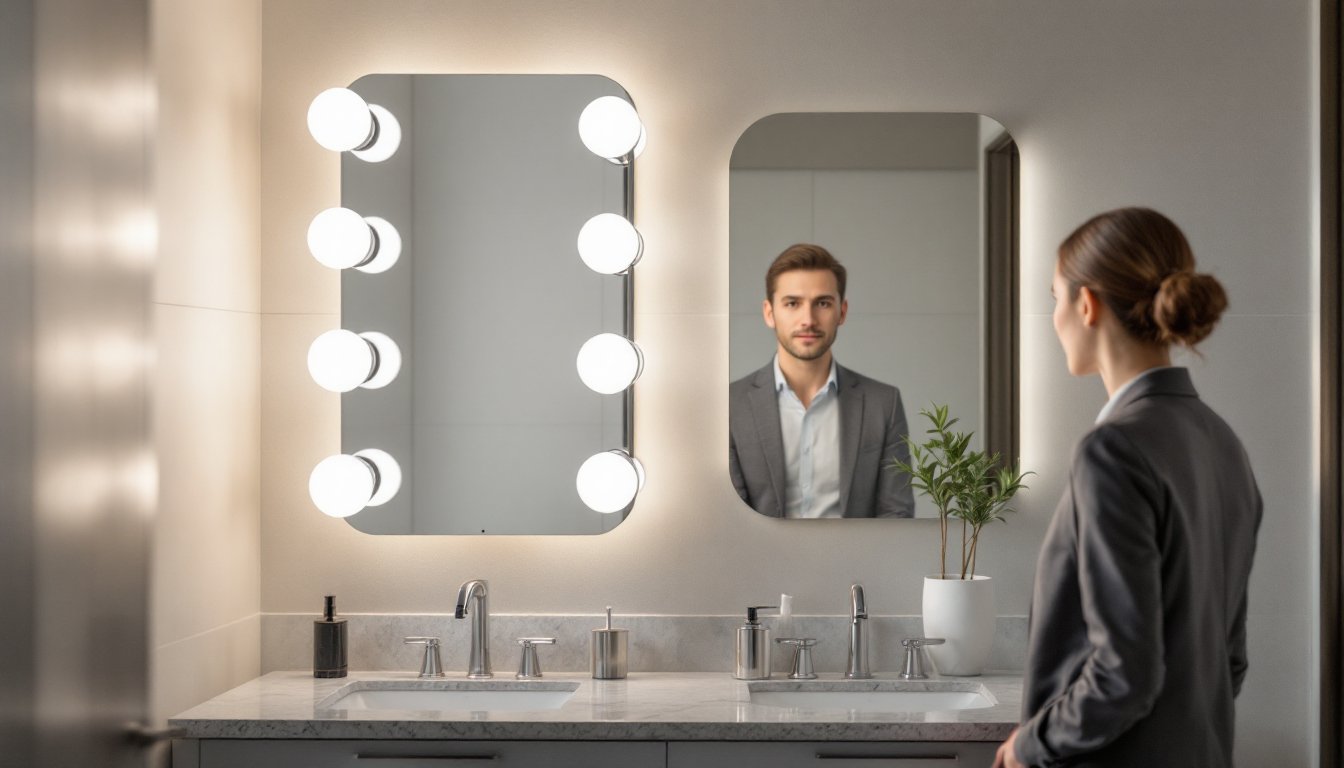
A bulb vanity mirror transforms your morning routine from squinting in dim light to seeing your face clearly from every angle. Whether you’re applying makeup, shaving, or just getting ready for the day, proper mirror lighting makes all the difference, and the right setup can completely change how you feel about your bathroom or bedroom space. Unlike standard mirrors that rely on room lighting, a bulb vanity mirror brings dedicated, focused light exactly where you need it. This guide walks you through what these mirrors are, which types work best for your space, how to pick the right bulbs and fixtures, and the installation steps to get them working safely and effectively.
Table of Contents
ToggleKey Takeaways
- A bulb vanity mirror eliminates shadows and harsh reflections by positioning light at eye level, making grooming tasks like makeup application and shaving significantly easier and more accurate.
- Choose a color temperature between 3000K and 4000K for flattering, practical bathroom lighting, with 3500K being the ideal balance for most grooming routines.
- LED bulbs are the best choice for bulb vanity mirrors due to their long lifespan (25,000–50,000 hours), energy efficiency, and dimmable options that adapt to different tasks.
- Wall-mounted bulb vanity mirrors must be installed at eye level (48–60 inches from the floor to the mirror’s center) on studs or with heavy-duty toggle bolts rated for 15–40 pound fixtures.
- Always use a bathroom-grade GFCI outlet within 6 feet of your bulb vanity mirror and hire a licensed electrician for any new wiring to ensure safety and code compliance.
- Tabletop models offer flexibility and easy relocation for renters, while wall-mounted options provide a permanent, polished look that maximizes bathroom or bedroom space.
What Is a Bulb Vanity Mirror and Why You Need One
A bulb vanity mirror is a reflective surface surrounded by or topped with built-in light sockets, typically holding incandescent, LED, or CFL bulbs. The bulbs cast bright, even light across your face and the surrounding area, eliminating shadows and harsh reflections that happen with ceiling-only lighting.
These mirrors serve a practical purpose that goes beyond aesthetics. Poor bathroom vanity lights or bedroom mirror lighting makes it easy to miss spots while shaving, apply makeup unevenly, or struggle through your grooming routine. Professional makeup artists, theater dressers, and hair salons have used lighted mirrors for decades because they work, the science is simple. Light positioned at eye level, angled slightly downward and to the sides, mimics how dermatologists and stylists light their work spaces.
Beyond function, a quality bulb vanity mirror also elevates your space. Modern bathroom vanity light fixtures come in sleek designs that work with contemporary, industrial, or classic décor. Whether you choose a Hollywood-style mirror with bulbs around the border or a minimalist wall-mounted panel, the result looks intentional and polished.
Types of Bulb Vanity Mirrors for Every Space and Budget
Not all lighted mirrors are created equal. Your space, budget, and usage determine which style makes sense.
Tabletop Models and Freestanding Options
Tabletop bulb vanity mirrors are the most flexible choice for renters or anyone hesitant about wall installation. These sit on dressers, desks, or bathroom counters and plug into a standard outlet. They range from compact, single-bulb designs (about 12–18 inches wide) to large Hollywood-style mirrors with 15–25 bulbs arranged around the frame. Prices run from $30 to $500+ depending on size, build quality, and whether they include dimming controls.
Freestanding mirrors offer several advantages: no installation needed, easy to relocate, and simple to upgrade. But, they take up valuable counter space and require a nearby outlet. For a small apartment or guest bedroom, a tabletop model is often the smart starting point.
Wall-Mounted and Built-In Designs
Wall-mounted bulb vanity mirrors, including bathroom vanity lights and vanity light fixtures, maximize space and create a permanent, polished look. These bolt directly to studs or use heavy-duty toggle bolts if studs aren’t available. Wall-mounted mirrors typically range from 24–48 inches wide and sit at eye level, usually 48–60 inches from the floor to the mirror’s center, according to standard bathroom design guidelines.
Built-in options integrate mirrors into cabinet frames or recessed wall cavities, offering a custom appearance but requiring more involved installation or renovation. Both wall-mounted and built-in styles demand electrical work, running wire through walls to a GFCI (ground fault circuit interrupter) outlet, as required by electrical codes for bathrooms. If you’re uncomfortable running new circuits, hire a licensed electrician. Permits may be required depending on your jurisdiction.
How to Choose the Right Bulbs and Lighting Setup
The bulb type matters more than most people realize. It affects brightness, color temperature, energy use, and how comfortable your face looks in the mirror.
Color Temperature is measured in Kelvin (K). For grooming tasks, aim for 3000K to 4000K, warm white to neutral white. At 3000K, lighting feels cozy but slightly amber: at 4000K, it’s crisp and natural, mimicking daylight. Avoid warm bulbs below 2700K (they’re too yellow) and cool bulbs above 5000K (they cast a harsh, medical-office feel). Many people find 3500K the sweet spot for bathrooms because it’s flattering without being warm enough to hide problems.
Brightness is measured in lumens, not watts. A modern LED bulb at 800–1200 lumens equals an old 60–75 watt incandescent and uses about 9–12 watts. For a vanity mirror with multiple bulbs, you want total output around 2000–4000 lumens depending on mirror size and room brightness. Check the packaging: reputable LED and CFL bulbs display lumen ratings prominently.
Bulb Type Options:
- LED bulbs: Long lifespan (25,000–50,000 hours), energy efficient, low heat. Standard choice for new mirrors and retrofits. Dimmable versions cost a bit more but give you control.
- CFL (compact fluorescent): Cheaper upfront, energy efficient, but slower to warm up and less dimmable-friendly. Acceptable for vanities but less popular now.
- Incandescent: Warm, flattering light and fully dimmable, but they run hot and use more energy. Not recommended for enclosed mirrors, fire risk, but fine for open-frame designs.
Dimming controls transform your mirror from one-note to adaptable. A three-way switch or sliding dimmer lets you adjust light for different tasks: bright for makeup application, softer for evening wind-downs. Make sure any dimmable bulbs you choose are compatible with your dimmer switch: not all LEDs work with all dimmers.
Installation and Setup Tips for DIY Enthusiasts
Installation difficulty depends on whether you’re placing a tabletop mirror or mounting one to the wall.
Tabletop Installation is straightforward: unbox the mirror, position it on a stable, level surface near a grounded outlet, and plug it in. Ensure the cord doesn’t create a tripping hazard. Done.
Wall-Mounted Installation requires more planning. First, locate studs using a stud finder and mark them in pencil. Position your mirror so its mounting brackets line up with studs if possible, studs support weight safely. A typical vanity mirror weighs 15–40 pounds depending on size and frame material: studs are essential for anything over 25 pounds.
If studs aren’t where you want the mirror, use heavy-duty toggle bolts or molly bolts rated for your mirror’s weight. Always install at eye level: measure up from the floor and mark your bracket holes. Use a level before fastening anything down.
Electrical work is where most DIYers hit a wall. If your mirror has a plug cord, you need a bathroom-grade GFCI outlet within 6 feet of the mirror, per electrical code. If no outlet exists nearby, you’ll need to run new wiring, a job for a licensed electrician. Running wire yourself through walls without proper knowledge creates fire and shock hazards. Don’t skip this step or improvise.
Safety considerations:
- Wear safety glasses when drilling overhead.
- Use a dust mask if drilling into old drywall (potential asbestos).
- Ensure the mirror doesn’t sit above a sink or near water sources unless it’s specifically rated for damp locations.
- Never daisy-chain multiple high-wattage mirrors on one circuit: each mirror should have its own dedicated outlet or share a circuit with low-draw devices only.
Testing and troubleshooting: Once installed, test all bulbs and dimming controls before calling the job done. If a bulb doesn’t illuminate, remove and reseat it, loose sockets are common. Check that over vanity lighting and vanity bar lighting follow similar code standards if you’re upgrading an existing bathroom.
Conclusion
A bulb vanity mirror bridges the gap between a plain reflective surface and a functional grooming station. Whether you opt for a tabletop model for flexibility or a wall-mounted fixture for a polished look, the key is matching the mirror type, bulb brightness, and color temperature to your needs and space. Interior design inspiration sites like Homify showcase stylish bathroom setups to help you visualize the final result, while product review resources like Tom’s Guide offer comparisons of specific fixtures. Take time with the electrical planning, it’s the unglamorous part of the job, but getting it right keeps your space safe and functional for years.