A vanity lamp is one of the most overlooked elements in a bathroom renovation, yet it’s one of the most impactful. Poor lighting at the sink makes shaving, applying makeup, and grooming tasks frustratingly difficult. The right vanity lamp doesn’t just improve functionality: it transforms how your bathroom looks and feels. Whether you’re installing a single fixture or upgrading an entire bathroom, understanding the types, features, and installation requirements of vanity lamps will help you make a choice that’s both practical and aesthetically pleasing. This guide walks you through everything you need to know to select and install the perfect vanity lighting solution for your space.
Table of Contents
ToggleKey Takeaways
- A vanity lamp should provide 800–1,600 lumens with 4000K (neutral white) color temperature to deliver flattering, shadow-free task lighting for grooming and makeup application.
- Wall-mounted sconces positioned at 60–66 inches from the floor and 36–48 inches apart deliver the most flattering illumination and are the most common vanity lamp choice for bathrooms.
- LED vanity mirrors and integrated vanity lamps with lights offer energy-efficient alternatives to traditional fixtures, lasting 25,000–50,000 hours while reducing heat and allowing dimming control.
- Before installation, turn off power at the breaker, confirm the fixture’s moisture rating (IP44 minimum, IP65+ for tub surrounds), and use a stud finder to secure mounting brackets reliably.
- Proper vanity lamp placement and brightness not only improve functionality for shaving and grooming but also prevent safety issues and create a more polished, professional bathroom aesthetic.
What Is a Vanity Lamp and Why It Matters for Your Bathroom
A vanity lamp is a light fixture mounted near or around a bathroom mirror, typically positioned to illuminate your face directly during grooming tasks. Unlike ambient ceiling lights, vanity lamps provide focused, shadow-reducing illumination that’s essential for shaving, makeup application, and skincare routines.
The placement and quality of your vanity lighting directly affect both safety and aesthetics. Poor lighting can cause you to miss spots while shaving or applying cosmetics, leading to frustration and potential nicks. Conversely, harshly positioned lights create unflattering shadows under the eyes and along the jawline, making skin look sallow or tired.
Building codes and industry standards guide vanity lamp placement. The National Electrical Code (NEC) recommends light fixtures be installed at least 8 feet from the floor near tubs and showers, though vanity areas have different rules. Most bathroom lighting should provide 75–100 lumens per square foot at the vanity for adequate task lighting. Proper placement and brightness ensure you’re meeting both code requirements and practical needs.
Types of Vanity Lamps to Consider
Wall-Mounted and Sconce Styles
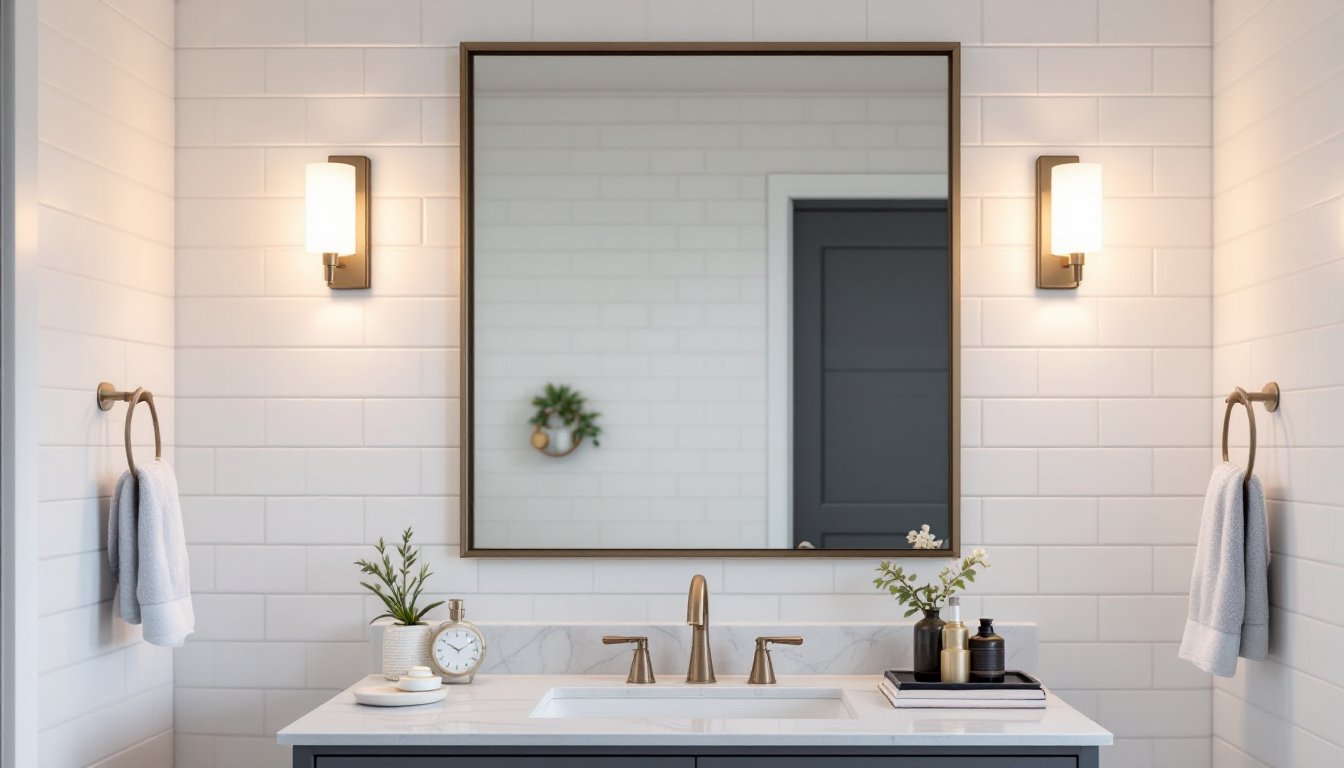
Wall-mounted vanity lamps are the most common choice for bathrooms. These fixtures mount directly to the wall on either side of the mirror or above it. Side-mounted sconces, typically positioned at eye level, 60–66 inches from the floor, provide the most flattering light because they minimize shadows on your face. This placement is preferred by design professionals and homeowners alike.
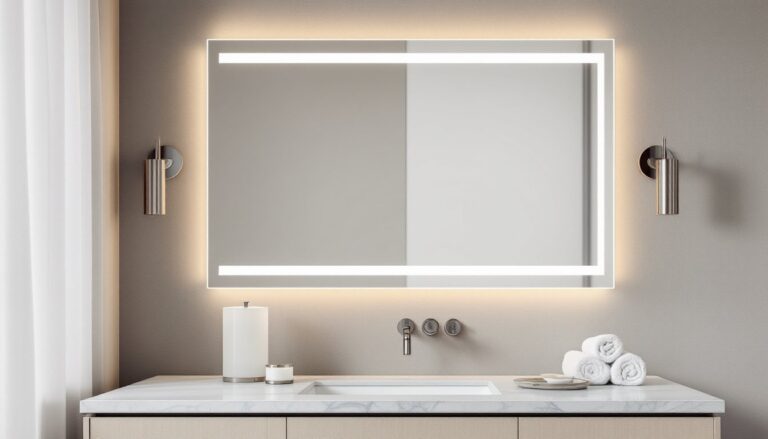
Sconces come in countless styles, from industrial metal designs to soft glass shades and LED vanity mirrors with integrated lighting. When choosing sconces, consider the distance between them: placing fixtures 36–48 inches apart ensures even illumination across the mirror’s width. Wall-mounted options are ideal if you’re working with an existing mirror, as they don’t require the mirror to have built-in fixtures.
Mirror-Integrated and Pendant Options
A makeup vanity with lights or LED vanity mirror eliminates the need for separate fixtures. These mirrors have integrated lighting, often LED strips or bulbs mounted around the perimeter, providing even, shadow-free light. LED vanity mirrors are increasingly popular because they’re energy-efficient, produce minimal heat, and often include dimming controls or color temperature adjustment.
Pendant-style vanity lamps hang from the ceiling and work well in larger bathrooms or as a design accent. But, they’re less common as primary vanity lighting because they can cast shadows unless positioned perfectly. Pendant fixtures work best as secondary lighting paired with side-mounted sconces. When considering a makeup vanity with lights or a full LED vanity mirror setup, measure your mirror dimensions carefully, these fixtures come in standard widths (24, 30, 36, 48 inches) and mismatches look awkward.
Key Features to Look for When Shopping
Lumens and Color Temperature are critical. Look for fixtures rated between 800–1,600 lumens for a standard vanity: this provides task lighting without overwhelming the space. Color temperature matters too, 4000K (neutral white) is considered most flattering for grooming because it mimics natural daylight. Some prefer 3000K (warm white) for a softer appearance, but it can make it harder to judge makeup application and skin tone.
Dimmability adds flexibility. A dimmer switch lets you adjust brightness for different times of day and tasks. Look for LED fixtures that are rated “dimmable” if you plan to install a dimmer: not all LEDs work with all dimmers, so confirm compatibility before purchasing.
Moisture and Vapor Rating is essential in bathrooms. Fixtures should have an IP (Ingress Protection) rating appropriate for your bathroom zone. Fixtures installed directly above or next to a tub or shower need higher moisture resistance than those on a vanity wall away from the shower. Most vanity lamps are rated IP44 minimum: those over tub surrounds need IP65 or higher.
Material and Finish affect durability. Brushed nickel, chrome, and oil-rubbed bronze resist moisture and fingerprints better than polished finishes. Avoid pure brass or copper in wet areas unless specifically treated for bathroom use, they tarnish easily.
Bulb Type determines long-term costs and maintenance. LED bulbs last 25,000–50,000 hours, generate minimal heat, and are now affordable. Halogen and incandescent bulbs are cheaper upfront but cost more over time due to replacement frequency and higher energy consumption. If your fixture uses replaceable bulbs, confirm the base type (E26 standard, candelabra E12, or pin-based) before shopping for spares.
Installation Tips for DIY Bathroom Projects
Before You Start: Turn off power at the breaker and test the outlet with a non-contact voltage tester to confirm power is off. Bathroom circuits are often on GFCI (ground fault circuit interrupter) outlets for safety, don’t bypass this protection. If your new fixture requires a dedicated circuit or box reinforcement, this crosses into electrical work that may require a licensed electrician and permit, depending on local codes.
Measuring and Planning: Mark the mounting height before drilling. Standard sconce mounting places the center of the fixture 60–66 inches from the finished floor. For side-mounted pairs, position them 36–48 inches apart, centered horizontally on the mirror. Use a level and light pencil marks to guide drilling, mistakes here are hard to fix without patching drywall.
Tools and Materials You’ll Need:
- Stud finder and non-contact voltage tester
- Drywall anchors or toggle bolts (if not hitting studs)
- Screwdriver set (Phillips and flat-head)
- Wire strippers and electrical connector caps
- Safety glasses and gloves
- Caulk and sealant for moisture-prone areas
Basic Installation Steps: Most vanity lamps follow this sequence: (1) Cut power at the breaker and test the circuit. (2) Assemble the fixture’s mounting bracket according to manufacturer instructions. (3) Drill pilot holes at your marked mounting locations, use a stud finder to locate wall studs when possible, as studs support weight more reliably than drywall alone. (4) Secure the mounting bracket with supplied hardware, ensuring it’s level. (5) Connect the wires, typically black (hot), white (neutral), and green/bare (ground). Twist matching wire colors together, cap them with wire connectors, and wrap with electrical tape if needed. (6) Secure the fixture to the bracket and install bulbs. (7) Restore power and test.
Common mistakes include installing fixtures too high or too low, creating uneven illumination, or overtightening connections, which strips wire insulation. If you’re unsure about electrical work, work with vanity lighting solutions that use battery power or USB power, these avoid hardwiring altogether, though they’re less common than traditional fixtures.
Consider pairing your vanity lamp with broader bathroom lighting strategies. Over vanity lighting offers comprehensive approaches to illuminating the entire sink area, while vanity bar lighting provides specific guidance on bar-style fixtures. For shared bathrooms, double vanity lighting strategies ensure both users get adequate, balanced illumination.
Design resources like Remodelista’s guide to flattering bathroom lighting explain how to position fixtures for the most flattering effect. If you’re looking for broader design inspiration, ELLE Decor’s bathroom lighting ideas showcase contemporary and classic fixture styles worth considering. MyDomaine also offers interior design tips that can help you match vanity lamp styles to your bathroom’s overall aesthetic.
Conclusion
Choosing and installing the right vanity lamp is one of the highest-return bathroom upgrades you can tackle. Prioritize brightness (800–1,600 lumens), proper color temperature (4000K for task work), and correct placement (60–66 inches high, 36–48 inches apart for pairs) to get results that are both functional and flattering. Whether you opt for traditional wall sconces, an integrated LED vanity mirror, or a makeup vanity with lights, investing in quality fixtures now saves you from frustration and costly replacements later. Take your time with planning and installation, bathroom lighting affects your daily routine, so getting it right pays dividends.