Wet rated recessed lighting is a critical choice for any homeowner tackling bathroom renovations or outdoor installations. Unlike standard recessed fixtures, these lights are engineered to handle moisture-heavy environments without risk of electrical failure or safety issues. Whether you’re upgrading a master bath, finishing a covered patio, or installing lights in a damp basement, understanding wet rated recessed lighting requirements will save you from costly mistakes. This guide walks you through what makes these fixtures different, where to use them, and how to install them correctly.
Table of Contents
ToggleKey Takeaways
- Wet rated recessed lighting is engineered with sealed housings, waterproof gaskets, and moisture-resistant components to safely handle bathrooms, saunas, outdoor covered areas, and any space with direct water exposure or high humidity.
- Building codes require wet rated fixtures within 6 feet of bathtubs or shower openings, and standard recessed lights in wet locations risk corrosion, short circuits, and fire hazards—making wet rated options a non-negotiable safety requirement.
- Proper installation demands careful gasket alignment, correct wire sizing (12-gauge for 20-amp circuits), GFCI protection upstream, and verification of UL wet location listings and IP ratings (IP65 for outdoor, IP64 for bathrooms) to ensure long-term waterproof performance.
- While wet rated recessed lighting costs 20–40% more upfront than standard fixtures, LED options reduce operational heat stress on seals and provide 25,000+ hours of life with lower energy consumption.
- Local building permits and inspector approval are typically required for wet location electrical work, especially within 6 feet of water sources, and code requirements vary by region—so verify with your authority having jurisdiction before beginning installation.
What Are Wet Rated Recessed Lights and Why They Matter
Wet rated recessed lights are specifically designed to withstand direct water exposure, moisture, and humidity. The UL (Underwriters Laboratories) wet location rating means these fixtures have passed rigorous testing for use in bathrooms, saunas, steam showers, covered outdoor areas, and any space where water splash or condensation occurs regularly.
Standard recessed lights carry a dry location rating only. If installed in a wet area, they’ll corrode, short circuit, or pose a fire hazard. The difference is real: wet rated fixtures have sealed housings, waterproof gaskets, and moisture-resistant components throughout. This isn’t a cosmetic upgrade, it’s a safety requirement.
Key Differences From Standard Recessed Lights
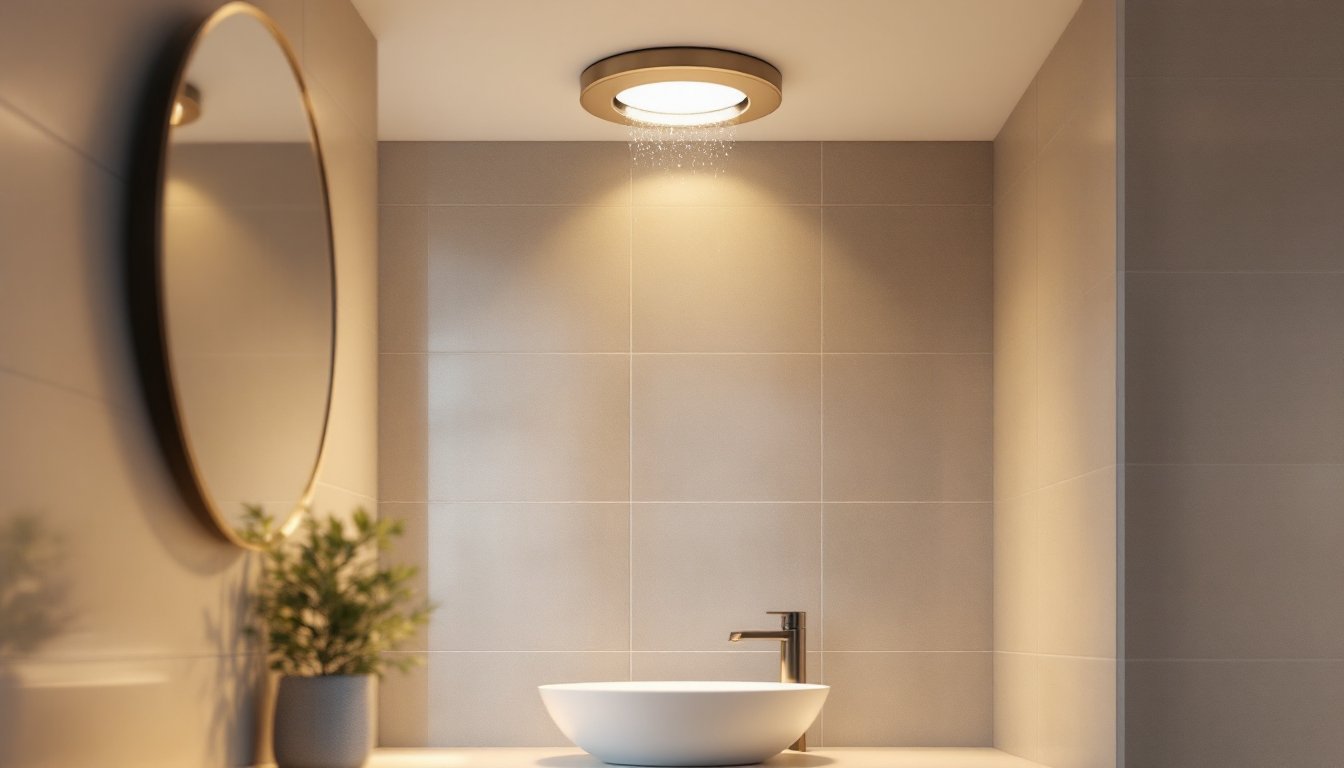
Wet rated fixtures feature a sealed trim ring that prevents moisture from seeping into the housing and electrical components. The junction box and socket assembly are potted (sealed) with moisture-resistant epoxy or silicone. Gaskets around trim and mounting are rated for water exposure.
Standard recessed lights lack these seals and gaskets. You’ll also notice wet rated fixtures typically cost 20–40% more upfront, but that’s insurance against water damage, mold, and electrical hazards. The IC rating (Insulation Contact) is another consideration: IC-rated fixtures can touch insulation safely, which matters if you’re installing them in attics or between joists where insulation surrounds the housing.
Best Applications for Wet Rated Recessed Lighting
Primary wet locations include master bathrooms, powder rooms with showers, and wet rooms. If your fixture is within a 6-foot radius of a bathtub or shower opening, code requires a wet rated light. Ceiling-mounted fixtures directly above a soaking tub or steam shower absolutely must be wet rated.
Outdoor covered areas, soffits under eaves, pergolas, covered patios, and porches, are also prime candidates. The National Electrical Code (NEC) designates these as “wet” or “damp” locations depending on water exposure risk. A fixture under a patio roof where rain splashes up during storms needs wet rating. Even a pergola in a humid climate benefits from wet rated protection to prevent long-term corrosion.
Finish basements, laundry rooms, and bathrooms in damp climates should also get wet rated fixtures if recessed lighting is part of the plan. Some jurisdictions require them for utility rooms with high humidity or floor drain risk. Check your local building department’s interpretation of the IRC (International Residential Code) before finalizing your layout, since requirements vary by region. Costs for installing wet rated recessed lighting can vary significantly based on fixture quality and whether an electrician handles the work.
Installation Tips for Success
Measure your ceiling thickness and joist spacing before ordering fixtures. Recessed lights need roughly 4.5 to 6 inches of clearance above the ceiling (from drywall to framing). Standard 16-inch on-center joist spacing is common: if you’re working with 24-inch spacing, verify the trim ring fits your opening.
Prep work is crucial. Cut your ceiling opening slightly smaller than the trim ring opening, you want a snug fit. Dry fit the housing first, securing it to the joists with the provided brackets. Check that gaskets seat properly before electrical connection. Don’t force trim rings into undersized openings: they’ll compress gaskets unevenly and weaken the seal.
Wiring requires proper sizing: 12-gauge wire for 20-amp circuits, 14-gauge for 15-amp circuits. Wet locations often demand GFCI (ground-fault circuit interrupter) protection upstream of the fixture. Connect the fixture junction box to your home’s electrical circuit via ½-inch conduit or Romex rated for wet locations. This is not optional. Verify that bulbs are compatible with the fixture’s wattage rating, overpowered bulbs generate excess heat, which damages seals.
A second pair of hands makes installation much easier, especially when working overhead. One person supports the housing while the other secures brackets to joists and routes wiring. Take your time with gasket alignment: rushing here causes water intrusion later.
Safety Considerations and Building Codes
Always wear safety glasses, gloves, and a dust mask when cutting drywall and working in ceiling spaces. Insulation, drywall dust, and old materials can irritate lungs and eyes. If you’re working in an older home, test for asbestos in insulation or drywall joint compound before disturbing it.
Electrical safety is non-negotiable. Turn off power at the breaker, test the circuit with a voltage tester, and confirm power is off before touching any wires. Wet locations demand GFCI protection, either a GFCI-protected outlet or GFCI breaker upstream. This safety device cuts power in milliseconds if it detects a fault, preventing electrocution. Mixing wet rated housing with standard trim or non-waterproof bulbs defeats the purpose and voids warranties.
Permits are often required for bathroom and outdoor electrical work. Check with your local building department before starting. An inspector will verify the fixture is UL-listed for wet locations, properly bonded to ground, and protected by GFCI. Some jurisdictions require a licensed electrician for any work within 6 feet of water sources. Honoring this requirement protects your home’s insurable status and your family’s safety. Building codes vary by region, so verify requirements with your authority having jurisdiction.
Choosing the Right Wet Rated Fixtures for Your Project
Look for the UL wet location listing on the box or spec sheet, it’s non-negotiable. Verify the IP (Ingress Protection) rating. IP65 and higher ratings indicate full dust sealing and water jet resistance, ideal for outdoor and shower applications. IP64 is acceptable for typical bathroom overhead installations: IP65 suits exposed outdoor areas.
Color temperature matters. Warm white (2700K) suits bathrooms and bedrooms: cool white (4000K) works for task-heavy spaces like laundries. Choose LED over incandescent or halogen whenever possible. LEDs produce less heat (reducing seal stress), last 25,000+ hours, and consume far less energy. Cost per fixture ranges from $30 to $150+ depending on trim style, dimming capability, and materials. Budget for professional installation if you’re not comfortable with electrical wiring, installation costs vary by region.
Match trim finishes to your decor. Brushed nickel and matte black are versatile: chrome or brass suit period homes. IC-rated housings prevent insulation contact, a common cause of fire hazards. Some fixtures offer adjustable trim rings that swivel or gimbal, useful for sloped ceilings or accent lighting. Read online reviews and check the manufacturer’s warranty, quality fixtures often include 5–10 year coverage.
Conclusion
Wet rated recessed lighting is an investment in safety, durability, and code compliance. These fixtures aren’t overkill for bathrooms and outdoor spaces, they’re the only appropriate choice. Proper selection, careful installation, and adherence to building codes ensure your lighting performs reliably for years. When in doubt, consult a licensed electrician or your local building inspector. Your home and family are worth the extra diligence.