Copper has been a go-to material for outdoor fixtures for centuries, and for good reason. It doesn’t just look beautiful with its warm, rich tones: it’s also incredibly durable and actually improves with age. Unlike aluminum or steel that can rust or corrode, copper develops a protective patina over time, which homeowners either embrace for its aged character or polish back to a shine. Whether you’re lighting a front entrance, a pathways, or accent areas around your yard, outdoor copper lighting brings timeless elegance and reliability that lasts decades. This guide walks you through choosing, installing, and maintaining copper fixtures so you can brighten your outdoor space with confidence.
Table of Contents
ToggleKey Takeaways
- Outdoor copper lighting naturally resists corrosion and develops a protective patina over time, making it more durable than aluminum, steel, or iron fixtures for long-term reliability.
- Copper’s warm metallic tone complements any outdoor aesthetic, and its excellent electrical conductivity ensures safer, more reliable installation than alternative materials.
- Wall sconces, pendant lights, post lamps, and pathway fixtures offer versatile options for creating layered outdoor lighting that combines functionality with elegant design.
- Always check local building codes and hire a licensed electrician when required; professional installation ($150–$400 per fixture) ensures code compliance and safety.
- Minimal maintenance keeps copper fixtures pristine: clean annually with soft cloths, inspect gaskets and connections yearly, use LED bulbs rated for outdoor conditions, and expect 20–30 years of reliable performance.
- Strategic placement of copper fixtures—using warm tones (2700K) near seating and cool tones (4000K) for task areas—enhances both ambiance and functionality across your outdoor space.
Why Copper Is the Perfect Choice for Outdoor Lighting
Copper stands out among outdoor lighting materials because it handles the elements gracefully. Unlike iron fixtures that rust or plastic that degrades under UV exposure, copper naturally resists corrosion. When exposed to air and moisture, it forms a patina, a thin, protective layer that actually prevents further deterioration. Many homeowners love this aged-green look: others prefer to maintain the polished, rosy finish with periodic cleaning.
Durability isn’t the only selling point. Copper is also an excellent conductor of electricity, which makes installation safer and more reliable than some alternatives. Its thermal properties mean fixtures stay cooler in direct sun, reducing the risk of damage to electrical components. Plus, copper fixtures often come with quality construction: manufacturers know the material is an investment, so they typically pair it with solid hardware and durable sockets.
From a design perspective, copper’s warm metallic tone complements nearly every outdoor aesthetic, from contemporary to rustic to cottage-style homes. It pairs beautifully with stone, wood, and landscaping without looking dated. When you invest in quality outdoor home lighting solutions, copper fixtures often deliver the best long-term value.
Types of Outdoor Copper Lighting Fixtures
Wall Sconces and Pendant Lights
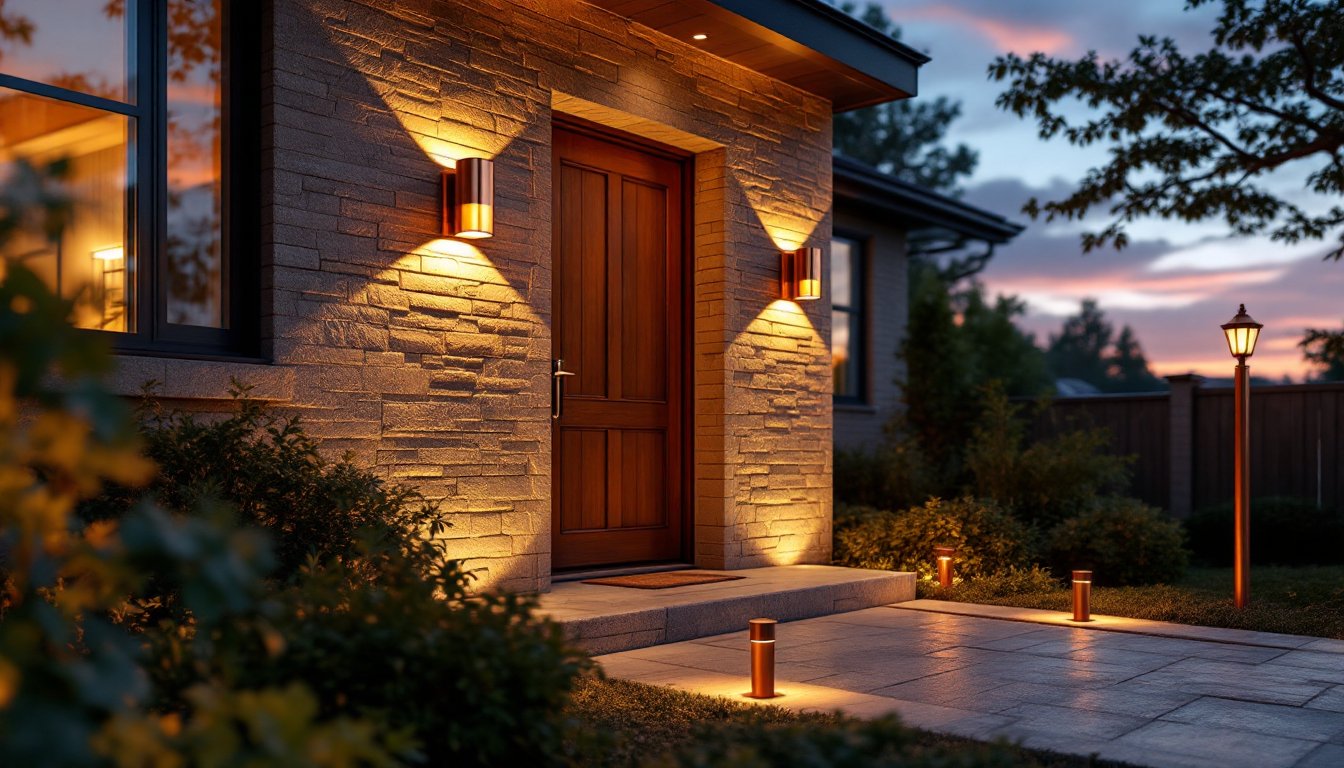
Wall sconces are workhorses in outdoor design. Mounted on either side of a doorway or along a patio wall, a copper wall sconce directs light downward and outward, providing both ambient and functional illumination. Copper sconces with frosted glass or clear panels distribute light evenly without creating harsh glare. Look for fixtures rated IP65 or higher (indicating water and dust resistance) to ensure they’ll handle rain and seasonal exposure.
Pendant lights hung from a pergola, porch ceiling, or bracket create focal points while casting flattering light across a dining or seating area. Copper pendant fixtures often feature globe or industrial-style shades that diffuse light while protecting the bulb. These work well in covered spaces where they’re shielded from direct rain. For a cohesive look, match pendant and sconce finishes, either polished, oil-rubbed, or naturally patinated.
Post Lamps and Pathway Fixtures
A copper post lamp mounted on a pillar or fence post is the classic choice for front entries and driveway lighting. These tall fixtures (typically 3 to 4 feet) provide broad illumination across a wide area. The best designs have a sealed socket compartment to prevent water intrusion and bases rated for ground mounting with corrosion-resistant hardware.
Pathway and landscape lights, shorter fixtures (12 to 24 inches) staked or mounted along walkways, add safety and visual interest. Copper landscape lights with downward-facing optics illuminate steps and ground surfaces while minimizing upward light pollution. Spike-mounted or base-mounted designs both work: choose spike mounts for flexible placement in garden beds, and base mounts for permanent installation. Many homeowners combine these with dusk to dawn outdoor lighting sensors to automate on-off cycles and save energy.
Installation Tips for Optimal Results
Before you install anything, check local building codes. Most areas require electrical permits for outdoor lighting circuits, and some jurisdictions mandate Licensed electricians for work involving new circuits or upgrades to service panels. Even if you’re replacing an existing fixture, it’s wise to verify requirements, code violations can complicate home sales and insurance claims.
Safety first: Turn off power at the breaker before touching any existing wiring. Use a non-contact voltage tester to confirm the circuit is dead. Wear safety glasses and gloves when working with wiring and hardware.
For wall sconces and pendants, locate studs or solid backing behind your mounting surface using a stud finder. Sconces need secure anchors (not just drywall anchors, use lag bolts into studs or heavy-duty toggle anchors rated for the fixture weight). Most copper sconces weigh 2 to 5 pounds, but always check the manufacturer’s specs.
When wiring, use outdoor-rated junction boxes and waterproof wire connectors. Copper fixtures often come with pre-wired sockets, simplifying installation. If you’re running new wire outdoors, use UF-B cable (underground feeder) rated for buried or exposed outdoor use, or run individual THWN wires through conduit for added protection. Bury cables at least 12 inches deep if running them across a yard, or use surface conduit in areas prone to foot traffic.
For post lamps and pathway lights, ensure the base is level and secure. Sink post mounts into concrete footings if they’re exposed to wind or foot traffic. Stake-mounted landscape lights need firm soil: rocky or clay-heavy ground may require a small pilot hole to prevent bending the stake.
If you’re not confident with electrical work, hire a licensed electrician. A professional install typically costs $150–$400 per fixture (labor only) but ensures code compliance and safety.
Maintenance and Care for Long-Lasting Copper Fixtures
The good news: copper fixtures require minimal upkeep. But, a little care keeps them looking their best and extends their lifespan.
Cleaning: Once or twice a year, wipe down fixtures with a soft, damp cloth to remove dust and debris. For polished copper, use a specialized copper polish (like Wright’s Copper Cleaner or similar) applied with a microfiber cloth, following the product’s instructions. For a natural patina, simply let it age, no polishing needed. If you prefer the aged look but want to slow the patina, apply a clear UV-protective lacquer designed for outdoor copper.
Electrical checks: Annually, visually inspect the socket, wiring connections, and gaskets. Look for corrosion, water pooling, or damaged insulation. If you spot water inside a sealed fixture, the gasket may have failed, replace it to prevent short circuits. Most copper fixtures use standard gaskets available from electrical supply houses for $5–$15.
Bulb upgrades: Switch to LED bulbs rated for outdoor use. They run cooler, last 25,000+ hours, and reduce energy costs by up to 80% compared to incandescent bulbs. Make sure bulbs are damp-rated (if installed in covered areas) or wet-rated (if exposed to direct rain). Wattage capacity is printed on the fixture’s socket label: never exceed it.
Seasonal prep: Before winter, secure any loose hardware and ensure drainage holes in fixture bases aren’t clogged. In regions with freezing temps, ice buildup can stress connections: clear any ice promptly.
With these simple steps, a quality copper fixture easily lasts 20–30 years with minimal intervention.
Design Ideas to Enhance Your Outdoor Space
Copper lighting works best when layered thoughtfully across your outdoor space. Start with a focal point, perhaps a pair of polished copper sconces flanking your front door. This creates immediate curb appeal and sets a welcoming tone.
For entertaining areas, string pendant lights with copper frames and frosted glass shades overhead a patio or deck. This combination provides ambient light and a hint of elegance without overwhelming the space. A skilled DIYer can hang pendants from a pergola frame using a lag hook rated for outdoor use: ensure it’s anchored to a beam with at least 2-inch depth.
Pathway and landscape lights serve both aesthetics and safety. Line a driveway or garden path with copper spike lights spaced 3 to 4 feet apart for even illumination and visual rhythm. If you’re designing an accent scheme, alternate polished and patinated finishes for subtle variation, it looks intentional and more sophisticated than uniform fixtures.
Consider layering warm (2700K) and cool (4000K) color temperatures. Use warmer tones near seating areas to promote relaxation, and cooler tones for task areas like driveways or steps. Specialty resources like Hunker and The Spruce offer detailed lighting design inspiration if you want to explore more advanced layouts.
Finally, don’t forget scale. A single tall post lamp can anchor a large yard: smaller pathway lights work better in compact spaces. Visit a home center or online retailers to see actual proportions, photos can be misleading. Retailers like Home Depot carry thoughtfully curated outdoor copper lighting options ranging from budget-friendly to premium, letting you preview styles before purchasing.
For those drawn to vintage aesthetics, look for burnished copper or oil-rubbed finishes that evoke antique lantern designs. Pairing these with natural plantings and weathered wood creates a timeless, garden-cottage vibe that feels both classic and current. When you invest in durable copper fixtures and thoughtful placement, your outdoor lighting becomes an asset that improves your home’s function and curb appeal for years to come.