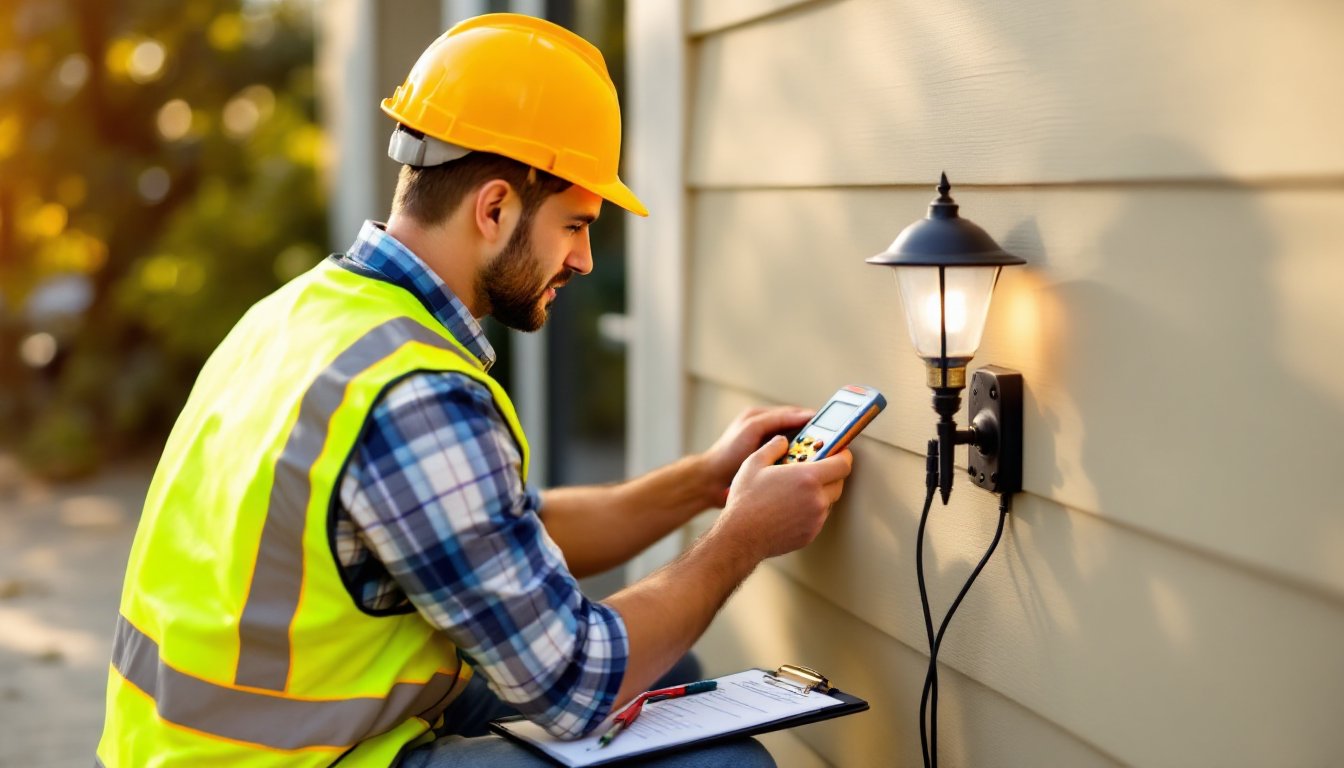
Your outdoor lighting should work as reliably as your front door, when it doesn’t, it’s not just an inconvenience, it’s a security gap. Whether your porch lights flicker, fixtures won’t turn on, or wiring has gone bad, knowing when to DIY and when to call a pro saves time, money, and headaches. This guide walks you through common outdoor lighting problems, how to find trustworthy repair services nearby, and what to expect when you do hire someone. You’ll understand the real costs involved and get honest advice on which repairs you can handle yourself.
Table of Contents
ToggleKey Takeaways
- DIY outdoor lighting repair is safe for simple fixes like replacing bulbs and tightening connections, but any work involving new wiring, electrical panels, or trenching requires a licensed electrician.
- Finding reliable outdoor lighting repair services starts with checking ratings on Google Maps and Yelp, verifying credentials (state license, insurance, bonding), and comparing written quotes from at least two contractors.
- Flickering outdoor lights usually result from loose connections or corrosion—tightening bulb sockets and cleaning terminals with sandpaper often resolve the issue without a service call.
- Professional outdoor lighting repair service calls typically cost $75–$150 for diagnostics, plus $50–$150 per hour in labor, with fixture replacements averaging $200–$600 depending on your region.
- Always get written estimates and warranties in writing, check references, and remember that slightly higher prices from licensed and insured professionals are worth the investment for quality and safety.
When To Call A Professional Vs. DIY Repairs
Knowing your limits keeps you safe and saves your wallet. If the problem involves the main electrical panel, underground conduit, or anything beyond the fixture and its switch, call a licensed electrician, no exceptions. Electrical work inside the home typically requires permits and a licensed professional in most jurisdictions.
But, many repairs sit squarely in DIY territory. Replacing a burnt-out bulb, swapping a fixture that’s already wired properly, tightening loose connections at the bulb socket, or clearing debris from a sensor are all manageable tasks for a homeowner with basic tools. Same goes for troubleshooting a tripped GFCI outlet (ground-fault circuit interrupter), which protects outdoor circuits from moisture.
The key dividing line: if you’re working with 120-volt power at the fixture level and the circuit is already established and code-compliant, you’re usually fine. The moment you’re running new wire, digging trenches, or touching the panel or breaker, stop and hire a pro. A licensed electrician will pull the necessary permits and follow local codes, codes that vary by jurisdiction and change over time.
How To Find Reliable Outdoor Lighting Repair Services
Start with platforms designed to connect you with local contractors. Google Maps, Yelp, and industry-specific sites like HomeAdvisor surface electricians in your area with ratings, reviews, and pricing estimates. Read reviews carefully, focus on comments about punctuality, communication, and whether the repair held up months later, not just five-star praise.
Ask for credentials upfront. Your electrician should carry a current state license, business liability insurance, and verifiable bonding. Don’t hesitate to ask for references or examples of past work. Legitimate professionals expect this and won’t take offense.
Get written quotes from at least two providers before hiring. A good estimate breaks down labor, materials, travel, and any diagnostic fees separately. If one quote is wildly lower than others, that’s a red flag, it often means corners are being cut. On Angi, you’ll find reviews and cost guides that help calibrate what’s reasonable in your region. Local utility companies sometimes maintain lists of certified contractors too: call and ask.
Common Outdoor Lighting Issues Homeowners Face
Flickering And Dimming Problems
Flickering usually stems from a few culprits. Loose connections at the bulb socket or fixture terminal are the most common, moisture creeps in, oxidation builds up, and the electrical contact fails. Tighten the connections by hand first: if that doesn’t work, turn off the power and use a small brush or fine-grit sandpaper to clean corrosion off the terminals.
A dying bulb flickering at the end of its life is normal, but if a new bulb flickers immediately, the socket or wiring has a problem. Dimming across multiple outdoor lights usually points to a shared circuit that’s overloaded or a tripped GFCI outlet upstream. Reset the GFCI (the outlet with a test and reset button, typically near a bathroom or kitchen sink) by pushing the reset button. If it trips again immediately, you’ve got a short or ground fault downstream, hire an electrician.
LED bulbs sometimes flicker in fixtures designed for incandescent: the dimmer or ballast may be incompatible. Switch to bulbs explicitly rated for use with your fixture type and dimmer.
Broken Or Damaged Fixtures
Cracked lens covers, rusted sockets, and heat-damaged ballasts warrant replacement. Most outdoor fixtures are mounted to existing electrical boxes or arms, so swapping one out is straightforward if you’re comfortable working with wiring.
Turn off the power at the breaker, not just the switch. Use a non-contact voltage tester to confirm power is off. Disconnect the old fixture’s wires (usually held with wire connectors), remove mounting bolts, and slide the new fixture into place. Connect like colors (black to black, white to white, bare copper or green to ground), twist on wire connectors, and screw the fixture to the mounting bracket. Restore power and test.
If the fixture is original to the house and you’re unsure about the wiring, or if the electrical box is damaged or improperly installed, bring in a pro. Many home improvement retailers carry outdoor-rated LED fixtures in a range of styles: they’re more energy-efficient and durable than older designs. Tools you’ll need: a screwdriver, wire strippers, wire connectors, and a non-contact voltage tester (under $15 at any hardware store). Always wear safety glasses.
Cost Factors And What To Expect When Hiring A Technician
Service calls for outdoor lighting typically start at $75–$150 for diagnostics, depending on your region and the contractor’s overhead. Labor rates usually run $50–$150 per hour: the wider range reflects differences in cost of living and contractor experience. If the repair is simple, tightening a connection or replacing a bulb, you might pay just the service fee. If new wiring, a fixture, or electrical work is needed, add materials and possibly travel time.
A full fixture replacement (including labor) averages $200–$600 for standard residential wall or post-mounted lights. Underground low-voltage lighting repairs can be pricier due to the labor involved in digging and running conduit. Budget 3–7 days for permits to be pulled and inspected if structural or hardwired upgrades are involved.
Get everything in writing: what’s being repaired, the total cost, payment terms, and a warranty on labor (typically one year). Ask whether materials carry manufacturer warranties too, they usually do. On ImproveNet, you can request cost guides and multiple quotes to compare. Regional variation is huge, so don’t trust national averages: get local bids. And remember: the cheapest quote isn’t always the best. A slightly higher price from someone licensed, insured, and backed by solid reviews is worth every penny.
Conclusion
Outdoor lighting repairs don’t have to be mysterious. Simple fixes, a loose bulb, resetting a GFCI, cleaning corroded terminals, are well within a homeowner’s reach and save you a service call. Anything involving new wiring, the electrical panel, or underground work demands a licensed professional. Use online platforms and local referrals to find trustworthy electricians, always ask for credentials and quotes, and don’t skip the paper trail. Your outdoor lights keep you safe and set the mood for your home: they’re worth getting right.