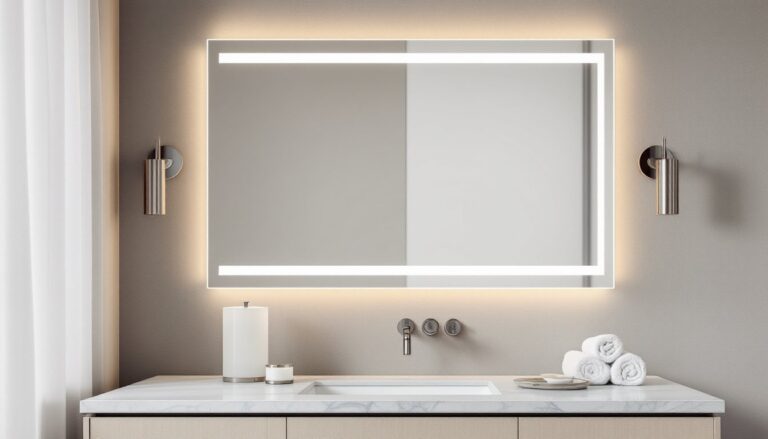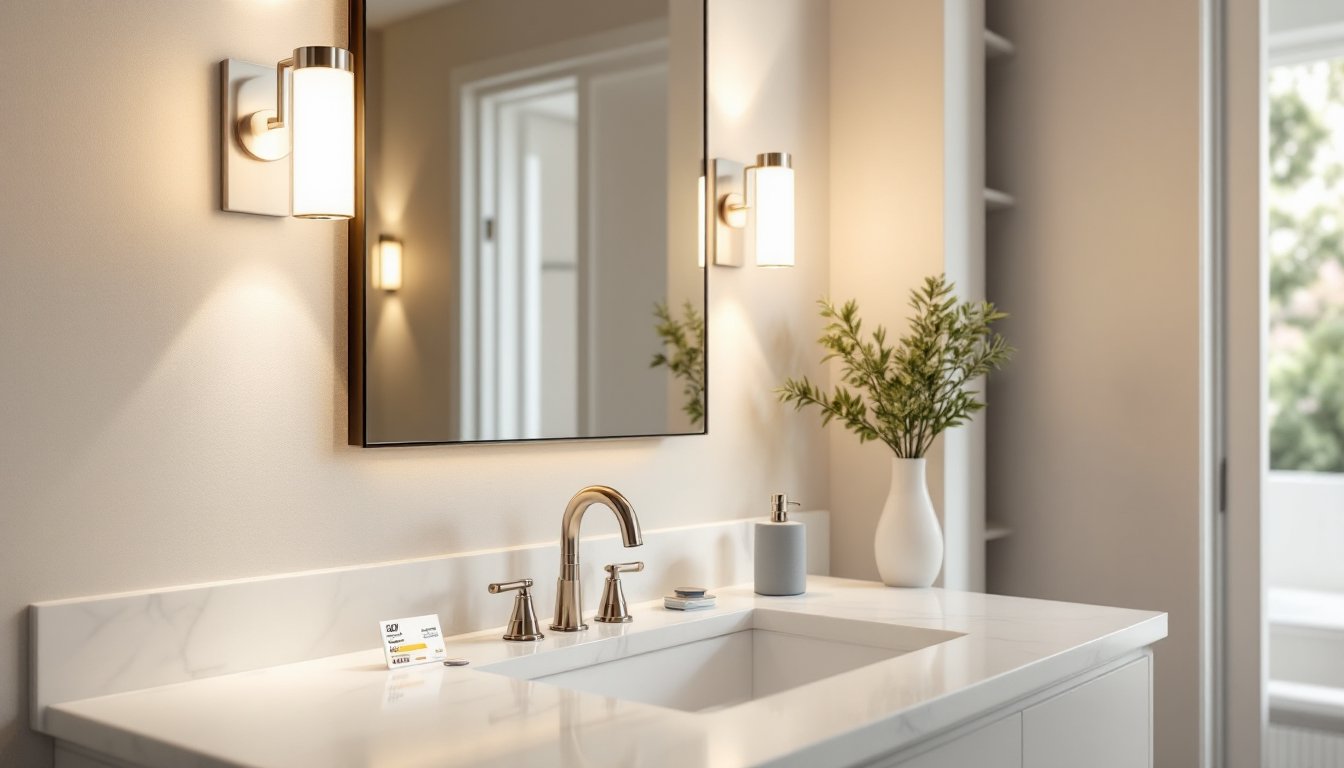
Good bathroom vanity lighting isn’t a luxury, it’s the foundation of a functional, comfortable space. Whether you’re shaving, applying makeup, or just getting ready for the day, the right vanity lamps bathroom setup makes all the difference between squinting in shadows and working in clear, flattering light. Bathroom vanity light fixtures come in dozens of styles, brightness levels, and configurations, which means choosing well requires understanding your actual lighting needs, not just picking something that looks nice on a showroom shelf. This guide walks you through the most practical bathroom lighting options available, how to measure what your space actually needs, and the essential installation steps to get the job done right.
Table of Contents
ToggleKey Takeaways
- Bathroom vanity lights require 75–100 lumens per square foot of mirror space, with most standard mirrors needing 600–900 lumens total for effective task lighting.
- The best bathroom vanity light fixtures should occupy 50–75% of your mirror’s width and be mounted at eye level (75–80 inches from the floor) to minimize shadows and flattering angles.
- Sconce pairs and vanity bars are the most practical vanity lighting options, with sconces ideal for compact bathrooms and bars better for longer mirrors or double-sink setups.
- Choose a color temperature of 3500K–4000K with dimmable LED bulbs to balance clarity for detailed grooming with comfortable ambient lighting flexibility throughout the day.
- Always pull permits and schedule inspections for electrical work—even though it adds $50–$150 in costs, it protects your home’s resale value and ensures code compliance.
- Most homeowners benefit from hiring a licensed electrician for rough-in wiring and final connections rather than DIY electrical work, especially in existing bathrooms where routing may be complex.
Types of Bathroom Vanity Lights
Sconces, Bars, and Pendant Options
Bathroom vanity light fixtures fall into a few main categories, each with different strengths depending on your mirror layout and counter space.
Sconce pairs are perhaps the most versatile choice. These wall-mounted fixtures flank your mirror on both sides, casting light from above shoulder level down across your face. This overhead-to-downward angle mimics natural light and minimizes unflattering shadows. Sconces work especially well in compact bathrooms or above narrow sinks where you don’t have much horizontal counter space. Most come as a matched pair, which simplifies installation and ensures balanced lighting.
Vanity bars mount horizontally across the top or sides of your mirror, delivering a wide, even wash of light. These bathroom vanity light fixtures are ideal for longer mirrors or double-sink setups because they illuminate a broader area without multiple mounting points. A bar mounted directly above the mirror at eye level (typically 75 to 80 inches from the floor) provides excellent task lighting for detailed grooming work. Some homeowners choose bars specifically for bathrooms where a vanity bar lighting fixture delivers consistent, professional-grade illumination.
Pendant lights hang from the ceiling on chains or rods and create a modern aesthetic, though they’re less practical as primary vanity lighting. Pendants work best as secondary or ambient lighting flanking a vanity bar or paired sconces, they add visual interest without sacrificing functionality. Keep pendants 12 to 18 inches from the mirror surface to avoid glare.
Each style has trade-offs. Sconces need separate mounting on both sides of the mirror. Bars require one longer electrical run but provide uniform coverage. Pendants demand careful height adjustment and look best in bathrooms with higher ceilings. Your choice depends on your mirror size, counter layout, and electrical rough-in location.
How to Choose the Right Vanity Lighting for Your Bathroom
Brightness, Size, and Style Considerations
Choosing vanity lamps bathroom that actually work requires looking beyond aesthetics. Three practical factors matter most: brightness (measured in lumens, not watts), the physical size relative to your mirror, and the color temperature of the light.
Lumens and brightness determine whether you’re working in clear light or dim ambiance. Task lighting at a bathroom vanity needs 75 to 100 lumens per square foot of mirror space. For a standard 30 x 36-inch mirror, that’s roughly 600 to 900 lumens total. LED bulbs have made this easier to spec out, most packaging lists lumens right on the box. Avoid relying on wattage: a modern LED bulb might use 9 watts to match a 60-watt incandescent, but the lumens output is what matters. If you’re applying makeup or shaving, you want genuine brightness. If you’re just brushing teeth or washing hands before bed, 400 to 600 lumens suffices.
Size proportions matter for both function and style. Vanity bars and sconce fixtures should occupy roughly 50 to 75 percent of your mirror’s width. A fixture that’s too small disappears visually and undershoots brightness needs. A fixture that’s too wide crowds the space. Measure your mirror width before shopping: most sconce pairs sit 24 to 36 inches apart, and vanity bars range from 24 to 48 inches wide. Pro tip: take a photo of your bathroom to a showroom or look at real installations online, not just product photos with generic backdrops.
Color temperature (measured in Kelvin) affects how you see yourself and your surroundings. Warm white light (2700K to 3000K) feels cozy but can mask makeup blending errors. Cool white (4000K to 5000K) provides clinical clarity and works well for makeup application. Daylight (5000K to 6500K) is closest to natural sunlight but can feel harsh in smaller bathrooms. Most vanity lighting pros recommend 3500K to 4000K as a sweet spot, bright enough for detail work without feeling like a hospital exam room. Check whether your chosen vanity lighting fixture uses dimmable LED bulbs: dimming flexibility lets you adjust brightness for different tasks and times of day without replacing fixtures. Many homeowners improving their bathroom lighting find that a 4000K, dimmable setup offers the best versatility.
Installation and Placement Tips
Before you install bathroom vanity light fixtures, check your local electrical code. Some jurisdictions require a licensed electrician for bathroom circuits: others allow homeowners to handle the work if they pull permits and pass inspection. Knowing the rules upfront saves frustration later.
Placement matters more than most DIYers realize. Vanity lights should sit 75 to 80 inches above finished floor level, roughly at eye level when you’re standing at the sink. This height positions the light source just above where shadows would form on your face. If your mirror extends to the ceiling, mount fixtures at the midpoint of the mirror’s height rather than at the very top: top-mounted fixtures cast unflattering downward shadows on your eyes.
For sconce pairs, measure the mirror width and divide by three. Mount each sconce at approximately one-third the way in from each edge. This spacing prevents light from traveling behind the mirror at extreme angles. If your mirror is 30 inches wide, place sconces roughly 10 inches in from each side. Check your fixture manufacturer’s specs for exact mounting dimensions, some require studs, others use heavy-duty anchors.
Electrical rough-in happens before drywall. If you’re renovating, have your electrician run a dedicated 20-amp circuit to your vanity area with an outlet or switch box at fixture height. Existing bathrooms may require surface-mounted conduit or careful routing through walls, this gets complicated quickly and is often worth hiring a licensed electrician. Running wire through walls yourself is legal in many places but demands knowledge of code and proper technique.
Wiring the fixture itself follows a standard pattern. Turn off power at the breaker, use a voltage tester to confirm power is off, disconnect the old fixture, and connect the new one using wire nuts, white to white, black to black, and ground (bare copper or green) to ground. Use appropriately sized wire nuts: undersized connectors create fire hazards. Secure the fixture body to the wall with the provided mounting bracket, then install trim rings and bulbs. If you’re uncomfortable handling electrical connections, hire a licensed electrician for this final step, it’s usually just $100–$200 and gives you peace of mind.
Over-vanity lighting placement deserves special attention if you’re upgrading an over vanity lighting setup. When fixtures mount directly above the mirror, angle them slightly downward (if adjustable) to direct light across your face rather than bouncing off the mirror back into your eyes. Use shatter-resistant, UL-rated bulbs designed for bathroom use: humid environments accelerate standard bulb failure.
Permit and inspection requirements vary by location. In most jurisdictions, bathroom electrical work requires a permit, and a final inspection by a local building official ensures code compliance. Skipping permits seems faster but creates liability if you ever sell your home, buyers’ inspectors flag unpermitted work. If you’re doing this work yourself, get the permit, do the work, call for inspection, and pass. It typically costs $50–$150 total and gives your work legal standing.
Conclusion
Bathroom vanity light fixtures do far more than brighten your morning routine, they set the tone for how you feel in your space and whether you can actually see what you’re doing. Start by understanding your specific needs: brightness level, fixture style, and color temperature. Match the fixture size to your mirror, and place it at eye level rather than at the ceiling. Handle electrical work confidently if you have experience, but don’t hesitate to hire a licensed electrician for wiring or rough-in work. The right vanity lighting investment pays dividends every single day you use your bathroom, transforming a utilitarian space into one that genuinely works for you.