Kitchen island pendant lighting has evolved from a simple utility choice into a critical design element that shapes how your kitchen looks and functions. A well-placed set of pendants doesn’t just illuminate your workspace, it anchors the entire room’s aesthetic while providing focused task lighting exactly where you need it. Whether you’re renovating from scratch or upgrading outdated fixtures, choosing the right pendants involves understanding style options, installation requirements, and design principles that balance form with function. This guide walks you through every decision point, from selecting your style to hanging them at the perfect height.
Table of Contents
ToggleKey Takeaways
- Kitchen island pendant lighting combines style and function, serving as both a critical design element and focused task lighting that anchors your kitchen’s aesthetic.
- Choose pendant styles based on your kitchen’s design language—modern pendants favor clean lines and materials like matte black or brushed brass, while industrial styles emphasize raw materials and farmhouse aesthetics embrace warmer metals like aged copper.
- Hang island pendants 30 to 36 inches below the ceiling or 12 to 20 inches above the countertop, spacing them 24 to 30 inches apart for two pendants or dividing island length evenly for more fixtures.
- Install pendants on solid wood backing with substantial mounting brackets, verify your electrical load can handle LED bulbs (which draw minimal current), and consider hiring a licensed electrician if running new electrical infrastructure.
- Layer your kitchen island pendant lighting with ambient ceiling light, under-cabinet lights, and dimmer-compatible LED bulbs to create flexibility for different activities—from bright task lighting while cooking to softer evening illumination.
- Select glass and metal finishes that resist moisture and heat; clear or frosted glass combined with brushed finishes that hide smudges will maintain durability and appearance in your kitchen’s humidity and cooking environment.
Choosing the Right Pendant Style for Your Kitchen Island
The style of pendant you choose sets the tone for your entire kitchen. Pendant lighting comes in dozens of styles, but they all need to harmonize with your kitchen’s existing design language and your personal taste. Start by looking at your cabinets, countertops, and backsplash, these materials often hint at whether your kitchen leans modern, traditional, or somewhere in between.
When selecting pendants, consider the visual weight they’ll carry. Large, sculptural pendants make a statement and work best in open-concept kitchens with high ceilings. Smaller pendants feel less imposing over compact islands and work better in kitchens where the space feels tight. The number of pendants you install also matters: most kitchen islands benefit from two to three pendants spaced 24 to 30 inches apart, though larger islands may need four.
Pendant lighting has become. The beauty of pendants is their flexibility, you can swap them out easily if your taste shifts, unlike recessed or flush-mount fixtures that require more invasive changes.
Modern, Industrial, and Farmhouse Styles
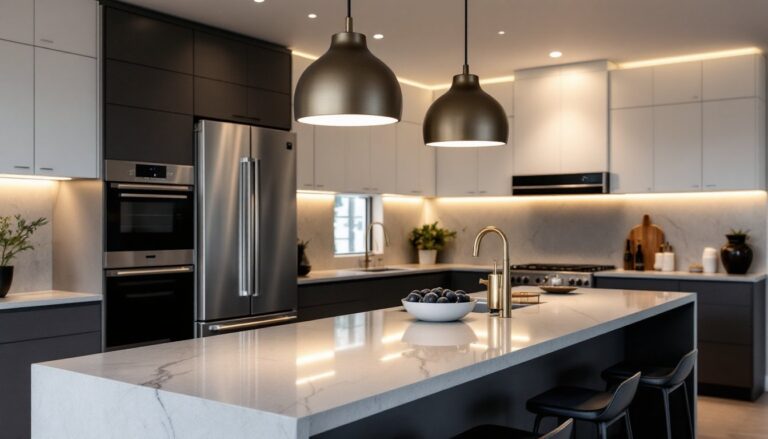
Modern pendants favor clean lines, minimal ornamentation, and materials like chrome, matte black, or brushed brass. These fixtures work especially well if your kitchen features flat-panel cabinets, concrete countertops, or stainless steel appliances. Look for pendants with geometric shapes or simple dome shades, they complement contemporary design without fighting for attention.
Industrial pendant lighting emphasizes raw materials and bold forms, drawing from warehouse and factory design. Exposed bulbs, Edison filament bulbs, metal cages, and barn-style shades are hallmarks of this style. Industrial pendants pair beautifully with reclaimed wood islands, exposed brick, or open shelving.
Farmhouse and transitional styles embrace warmer metals like aged copper and antiqued brass, often paired with clear or frosted glass. These pendants feel welcoming and nostalgic without being overly precious. They work well in kitchens with open beams, shiplap walls, or vintage-inspired islands.
The key is ensuring your pendants don’t clash with adjacent spaces. If your kitchen opens directly into a living room or dining area, your island pendants should share some design DNA with that space’s aesthetic.
Installation and Placement Essentials
Installation starts long before you hang a single pendant. You’ll need to identify whether your island has existing electrical infrastructure, a junction box directly above the island is ideal, but not always present. If there’s no box, you’ll need to run electrical line through the island structure or above-ceiling to reach a power source. This typically requires shutting off the relevant circuit breaker and, depending on your local electrical code, may require a licensed electrician.
Check your kitchen’s electrical load before adding pendants. A standard 15-amp circuit can safely handle several LED pendants plus other devices, but if you’re adding high-wattage incandescent or halogen bulbs to an already-loaded circuit, you’re asking for trouble. LED bulbs draw minimal current and generate less heat, making them the practical choice for kitchen lighting.
Before drilling any holes in your island, locate studs or structural supports using a stud finder. The electrical box needs solid backing, mounting a heavy fixture to drywall alone will eventually fail. If your island doesn’t have studs where you need them, you’ll need to install blocking (a wooden support between joists) or use heavy-duty drywall anchors rated for the weight of your pendants.
Optimal Height and Spacing for Kitchen Islands
Height determines whether your pendants illuminate effectively without creating glare or blocking sightlines. Most designers hang island pendants 30 to 36 inches below the ceiling, or about 12 to 20 inches above the island countertop. This range puts the light source low enough to deliver task lighting without dangling so low that people standing at the island hit them with their heads.
If you have a kitchen island that’s particularly tall (36 inches or more), aim for the lower end of that range. If your ceiling is lower than average (8 feet), hang pendants slightly higher to avoid making the space feel cramped. The goal is clear sightlines, someone standing at the island should be able to look across without the pendant shades blocking their view of someone on the opposite side.
For spacing, place pendant centers 24 to 30 inches apart for two pendants, or divide your island length by the number of pendants and space them evenly. Mark ceiling positions with a pencil before drilling. Use a laser level or a chalk line to ensure your marks are truly straight, wonky pendants look unfinished, even if they’re perfectly functional.
Support each pendant with a substantial mounting bracket bolted to solid wood, not just drywall. The weight might only be 3 to 5 pounds, but any slight movement or sway will eventually loosen connections. Consider hiring a professional if you’re uncertain about running new electrical or ensuring structural integrity.
Finishes and Materials That Match Your Décor
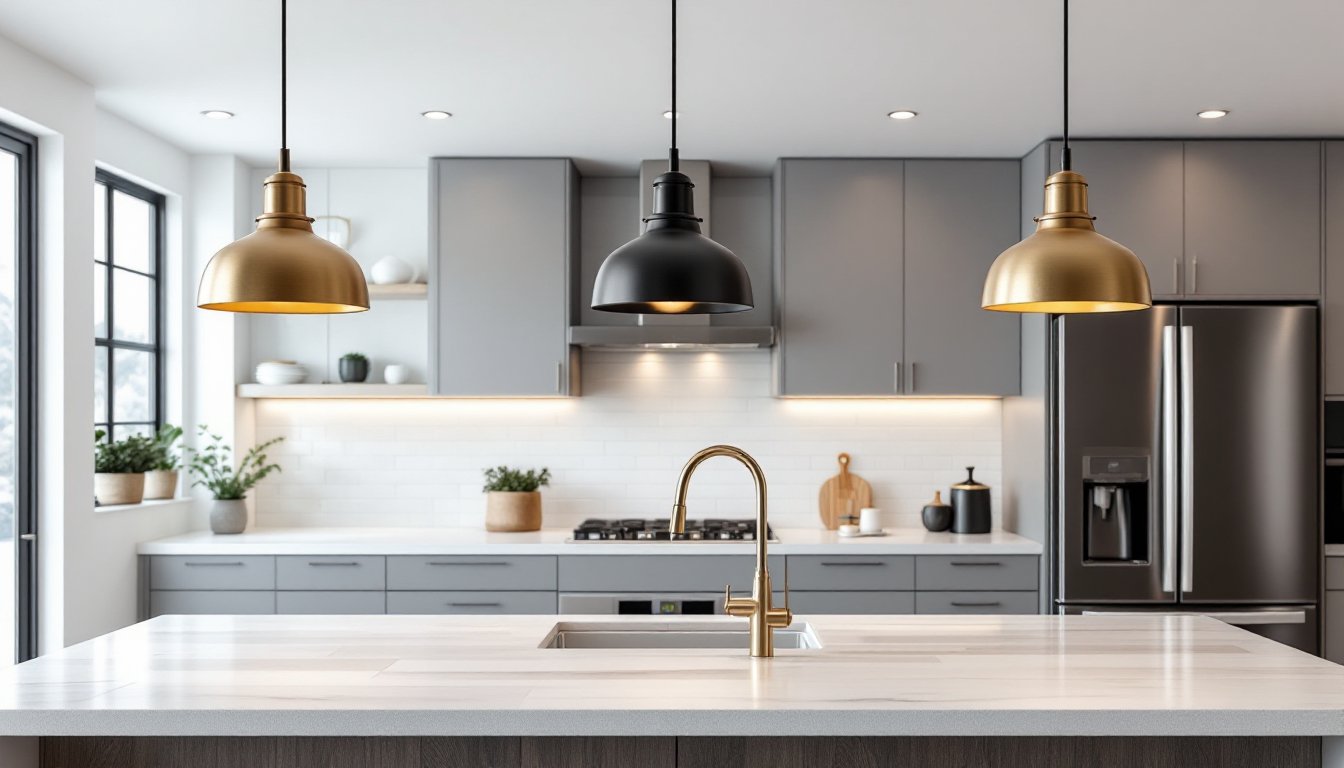
The finish of your pendant fixtures dramatically affects how they feel in your space. Metal finishes, brushed brass, matte black, polished chrome, aged copper, and oil-rubbed bronze, anchor the look. Brass and copper warm up a kitchen and pair well with wood islands. Black and chrome feel sleek and work with modern or minimalist kitchens. Oil-rubbed bronze bridges traditional and contemporary styles.
Glass shades come in clear, frosted, seeded, and textured varieties. Clear glass shows off your bulbs and lets light shine unfiltered, making spaces feel bright and open. Frosted glass softens light and hides the bulb, creating a more refined appearance. Seeded glass adds visual interest with a slightly bumpy texture that scatters light gently.
Material choice also affects durability and maintenance. Metal finishes can tarnish or show fingerprints depending on the type, polished chrome requires frequent wiping, while brushed finishes hide smudges better. Glass shades collect dust and benefit from occasional cleaning. Consider your kitchen’s humidity level (bathrooms and kitchens are tougher on fixtures) and whether you’re willing to do regular upkeep.
Vanity lighting and bathroom pendant styles offer lessons for kitchen design: materials that resist moisture and heat work best. Choose fixtures rated for kitchens, not decorative display-only pieces. Your pendants will face steam, cooking heat, and regular handling, so construction quality matters more than looks alone.
Lighting Design Best Practices and Tips
Pendant lighting works best as part of a layered lighting strategy. You need ambient light (overall brightness), task light (focused on work areas), and accent light (highlighting design features). Pendants provide task lighting, they shine directly on your island prep surface, but shouldn’t be your kitchen’s only light source.
Pair island pendants with general ceiling or recessed lighting that covers the rest of your kitchen, and consider adding under-cabinet lights or a chandelier over your dining table if you have one. This layering lets you adjust brightness for different activities: bright task lighting while cooking, dimmed ambient light for casual dining, and accent lighting if you want to showcase your island’s finish or materials.
Choose dimmer-compatible LED bulbs and install a dimmer switch for your pendants. This flexibility lets you shift from bright cooking light to softer evening illumination. Not all LED bulbs dim smoothly, check compatibility before buying. Cheap LEDs may flicker or fail when dimmed, so spending a bit more on quality bulbs pays off.
Color temperature affects how your kitchen feels. Warm white light (2700K) creates a cozy, inviting atmosphere and flatters skin tones. Neutral white (4000K) feels energetic and is preferred for detailed task work. Cool white (5000K) feels clinical and is rarely the right choice for kitchens. Most home cooks prefer 2700K or 3000K for island pendants.
Modern kitchen island lighting design increasingly emphasizes smart bulbs and automated controls. A growing number of homeowners are integrating kitchen pendants with voice-activated systems or smart home apps, letting them adjust brightness and color temperature without touching a switch. It’s not essential, but it’s worth considering if you’re building new electrical infrastructure.
Conclusion
Kitchen island pendant lighting is where style and function intersect. The right pendants illuminate your workspace, define your kitchen’s visual character, and make your island feel intentional rather than an afterthought. Take time to choose a style that speaks to you, verify your electrical setup before installing, and measure carefully to ensure proper height and spacing. Whether you favor modern minimalism, industrial edge, or farmhouse warmth, pendants offer flexibility that few other kitchen fixtures can match. With quality fixtures, proper installation, and layered lighting design, your island becomes both a functional workspace and a design focal point you’ll enjoy for years.