Bath lighting fixtures are more than just functional, they set the mood, enhance safety, and transform how your bathroom looks and feels. Poor lighting can make even a pristine vanity feel dingy, while the right fixtures illuminate your space with flattering, practical illumination. Whether you’re renovating a guest bath or upgrading your master suite, selecting appropriate bath lighting fixtures means balancing aesthetics, task lighting, ambient brightness, and energy efficiency. This guide walks you through the essentials so you can make informed choices and understand what works best for your specific bathroom layout and needs.
Table of Contents
ToggleKey Takeaways
- Bath lighting fixtures require three layers—ambient, task, and accent lighting—to balance functionality, aesthetics, and safety in your bathroom.
- Always use wet-rated bath lighting fixtures to prevent moisture damage and electrical hazards in high-humidity bathroom environments.
- Position vanity lights 48–60 inches from the floor on both sides of the mirror to minimize shadows during grooming and makeup application.
- LED bath lighting fixtures save 75% more energy than incandescent bulbs and last 20,000+ hours, making them a cost-effective long-term investment.
- Recessed lights spaced 4–6 feet apart provide clean, modern ambient lighting, while dimmers let you adjust brightness for different times of day and extend bulb life.
- Consult a licensed electrician for electrical work, especially when running new circuits from your breaker panel, to ensure compliance with safety codes.
Understanding Your Bathroom Lighting Needs
Before picking out fixtures, assess what you actually need. Most bathrooms require three layers of lighting: ambient (general brightness), task (focused light for grooming), and accent (optional decorative touches). Ambient lighting floods the room with soft, even illumination, typically from ceiling fixtures or recessed lights. Task lighting concentrates brightness on your vanity, mirror, and sink areas so you can shave, apply makeup, or brush teeth without squinting. Accent lighting, like small pendant lights or sculptural sconces, adds visual interest and personality.
Bathroom size and layout matter too. A small powder room doesn’t need the same lighting strategy as a master bath with dual vanities and a soaking tub. Consider natural light: does your bathroom have windows? If so, your artificial lighting can be less intense during the day. Also think about who uses the space and when. Morning routines demand bright, unflattering task lighting near the mirror. Evening relaxation might benefit from dimmable fixtures that let you lower the brightness and create a spa-like atmosphere.
Moisture and heat are critical factors often overlooked by DIYers. Bathrooms have high humidity from showers and baths, which means you need wet-rated fixtures rated for damp or wet locations per electrical codes. This is not a suggestion, it’s a safety and longevity requirement. Moisture degrades non-rated fixtures and creates shock hazards.
Types of Bath Lighting Fixtures for Every Space
Vanity Lights and Mirror Sconces
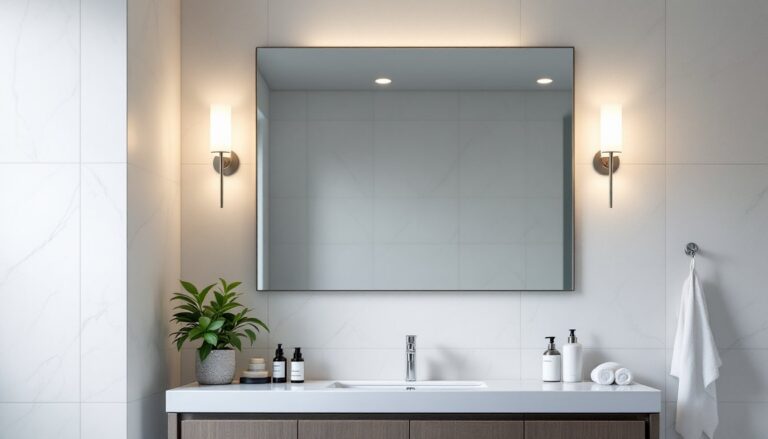
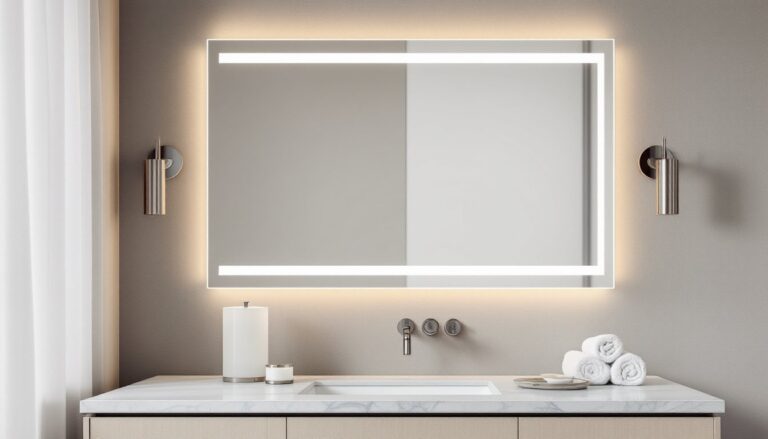
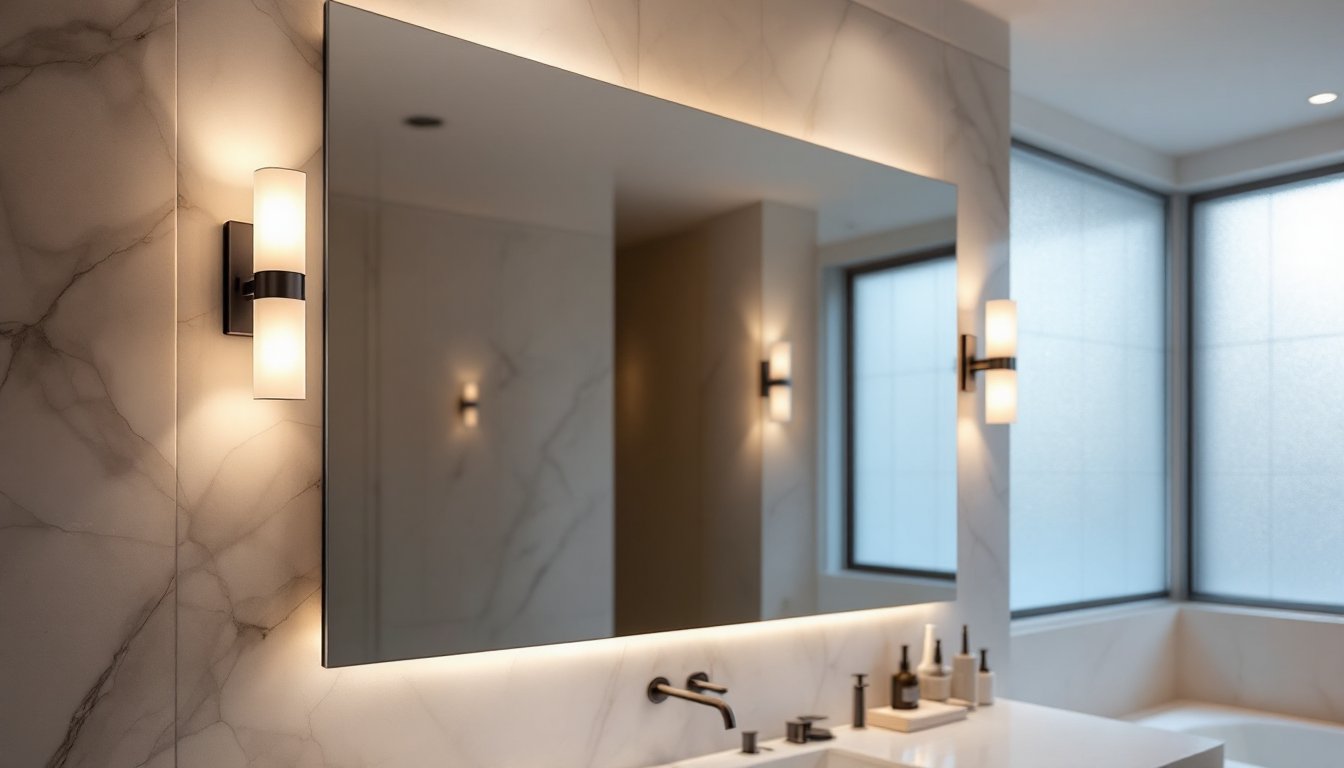
Vanity lights, also called bath sconces or mirror lights, are mounted on either side of or above your mirror. They deliver direct task lighting exactly where you need it. For shaving, makeup application, and dental care, sconces flanking the mirror are ideal because they minimize shadows on your face. The best height is roughly 60 inches from the floor to the center of each fixture, though this varies by mirror height and personal preference.
When shopping, look for fixtures with frosted or diffused shades rather than clear glass, which creates harsh glare. Wattage matters: aim for 40–60 watts of incandescent equivalent (or 8–12 watts if going LED) per side. Dual-fixture setups, one on each side, beat a single overhead light because symmetrical lighting is more flattering and functional. If space is tight, mount fixtures 24–30 inches apart. Modern bathroom lighting design often incorporates pendant lights or small picture lights above mirrors for a contemporary look, though these require careful placement to avoid glare.
Installation requires running electrical cable to the wall studs and connecting to a junction box. If there’s no existing outlet, you’ll likely need to run new wire from your breaker panel, a job best left to a licensed electrician unless you have experience with electrical work.
Overhead and Ceiling Fixtures
Overhead fixtures, flush-mounts, semi-flush mounts, and recessed lights, provide general ambient lighting. Flush-mount fixtures sit flush against the ceiling and work well in rooms with lower ceilings (under 8 feet). Semi-flush fixtures hang 6–12 inches down, offering a bit more style and depth. Recessed lights, inset into the ceiling, create a clean, modern look without taking up headroom.
For recessed fixtures, the general rule is spacing: install lights 4–6 feet apart in a grid pattern for even coverage. In a 5×8-foot bathroom, three to four recessed lights spaced evenly usually work. Avoid installing lights directly above the toilet or tub unless shielded: harsh overhead light there feels clinical. Recessed lighting fixtures come in multiple trim styles, open, baffle, gimbal, and wall-wash, each affecting light distribution and perceived brightness.
Installation and Design Considerations for Maximum Impact
Placement is everything. Position vanity sconces at eye level, typically 48–60 inches from the floor. Avoid placing a single overhead light directly above the mirror: it creates unflattering shadows. Instead, combine a bright vanity light with softer ambient overhead lighting. If you’re installing recessed lights, use a stud finder to locate joists and studs, drilling into framing is a common mistake that wastes time and materials.
When running electrical, always turn off power at the breaker and use a non-contact voltage tester to confirm the circuit is dead. Use appropriately rated wire (typically 14-gauge for 15-amp circuits, 12-gauge for 20-amp) and secure it along studs or inside walls, never across exposed surfaces where it can be damaged. Bathroom circuits often have GFCI (ground-fault circuit interrupter) protection, which trips if it detects moisture, a safety feature you don’t want to bypass.
Finish and material choices affect both aesthetics and maintenance. Chrome and polished brass shine but show water spots and fingerprints. Matte black, oil-rubbed bronze, and brushed nickel hide imperfections better and suit modern or farmhouse styles. Glass shades diffuse light softer than bare bulbs: frosted or etched glass is preferable to clear. Consider coordinating fixture finishes, don’t mix too many metals, or the space feels chaotic.
Dimmers are worth the extra cost. They let you adjust brightness for different tasks and times of day, and they extend bulb life. Pair dimmers with compatible bulbs, some older LED bulbs flicker on dimmers, though quality LEDs handle dimming well. If you’re replacing existing fixtures, the job typically takes 30–45 minutes per fixture once the power is off and you’ve removed the old unit.
Energy-Efficient Upgrades and Modern Trends
LED bath lighting fixtures have become the standard because they use 75% less energy than incandescent bulbs, last 20,000+ hours, and run cooler (reducing heat stress in steamy bathrooms). Color temperature matters: 2700K (warm white) feels cozy and spa-like, while 4000K (cool white) delivers brighter, more clinical task lighting. Most bathrooms benefit from mixing, use 2700K in accent areas and 4000K at the vanity mirror.
Smart fixtures with Wi-Fi or Bluetooth controls are trending. Voice-activated dimming and color-tuning let you set the mood without reaching for a switch. They cost more upfront but add flexibility and can appeal to future buyers. But, they require your bathroom to have decent network signal: dead zones mean frustrating delays.
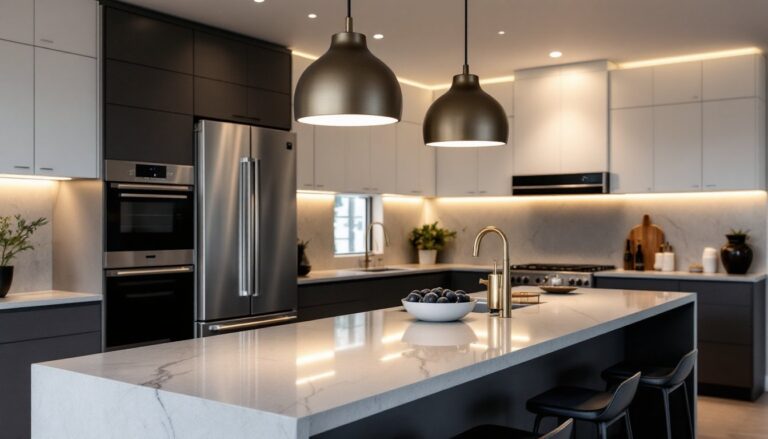
Popular 2026 styles lean toward minimalist and farmhouse aesthetics. Pendant lights with simple metal frames and frosted glass complement both contemporary and rustic bathrooms. Vintage-style sconces with Edison bulbs add character to farmhouse designs. Recessed lights remain go-to for modern spaces because they’re unobtrusive and pair well with clean-lined cabinetry. Whatever trend you follow, prioritize functionality, a beautiful fixture that casts shadows on your face defeats its purpose. trusted guides on bathroom lighting inspiration for visual ideas that match your style.
Conclusion
Selecting bath lighting fixtures requires balancing task, ambient, and accent lighting while respecting moisture ratings, electrical codes, and your bathroom’s layout. Start by mapping your needs, then choose fixtures that are wet-rated, appropriately sized, and positioned to eliminate shadows where they matter most. Quality LED fixtures with dimmers give you flexibility and savings over time. Whether you’re installing simple vanity sconces or a full recessed lighting system, careful planning and honest assessment of your DIY skill level, especially with electrical work, saves headaches and ensures a bathroom that’s both beautiful and safe to use for years to come.